
Supreme Court denies request to halt border wall construction via FOX NEWS
We never would have thought talking about our balls could make us so rich. But thanks to the fine folks at Dollar Shave Club, it can! The brand is offering you a chance to win $25,000 just by tweeting about what your balls mean to you.
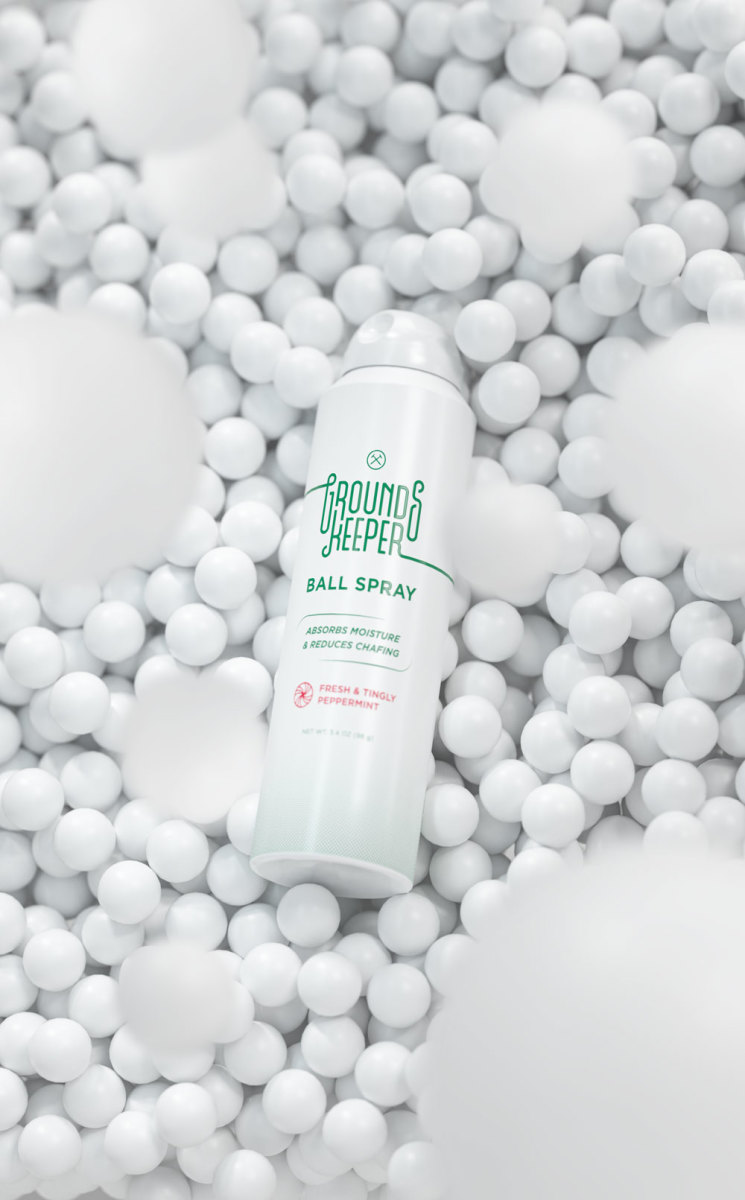
This special offer is in conjunction with Dollar Shave Club’s newly released Ball Spray, expertly designed to help reduce that ‘swampy’ feeling we all get after a day spent adventuring in the woods or on our bike. With just a few sprays, Ball Spray goes to work, providing all-day odor and wetness protection and reducing the annoying friction and chafing we fellas get, especially after long days spent on the run. It’s no wonder the product has become quickly popular given the current heat wave we’ve been having. In fact, according to Dollar Shave Club they’ve sold out the ball spray in less than two weeks!
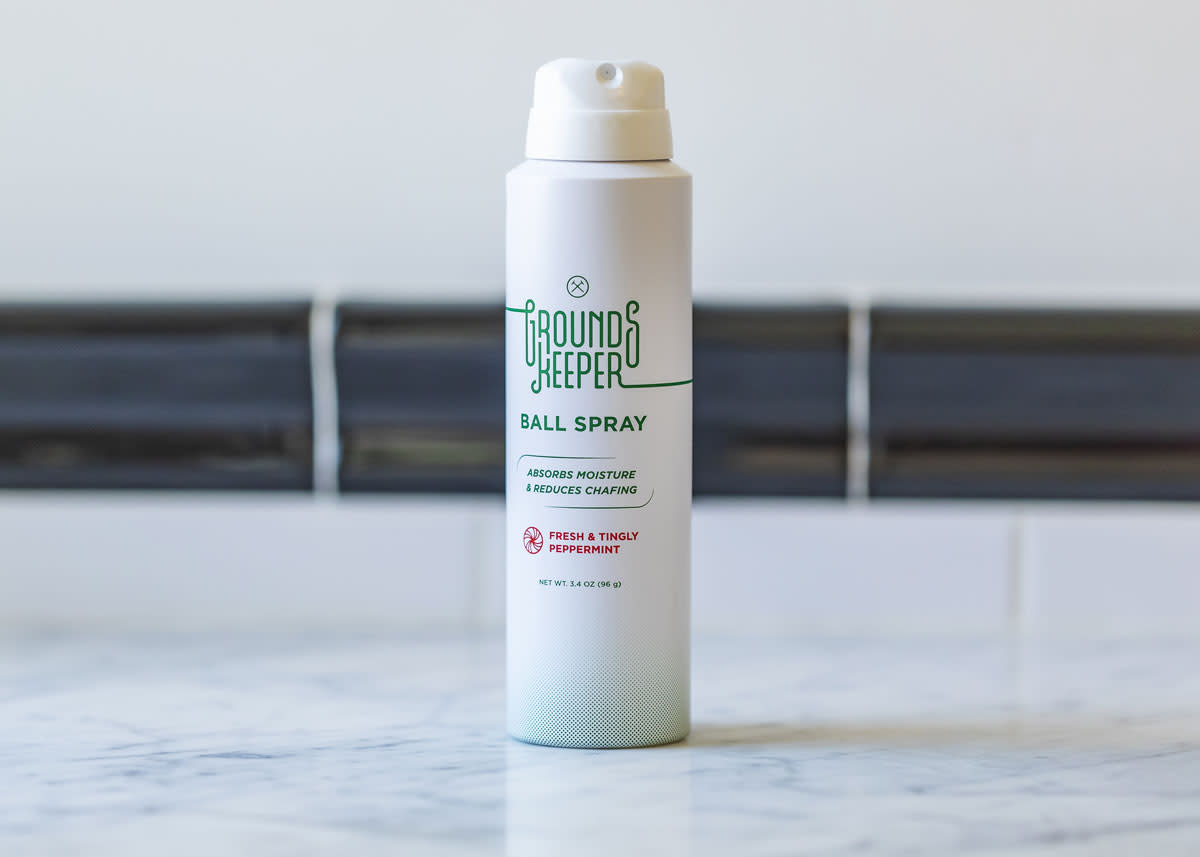
All that popularity has led to a wait list for the product (you can sign up for the wait list here). But while you’re waiting to get your, er – hands, on this hot summertime must have, Dollar Shave Club is offering consumers a chance to score a cool $25k just by heading over to Twitter and replying with what your balls mean to you (in 280 characters or less). Dollar Shave Club will determine their two favorite entries and each winner will get $25K.
We want to celebrate your balls. Reply to this tweet using #paintmyballs and #contest and tell us what your balls mean to you. Use poetry or tell us a story, just DON’T use a camera. You could win $25k and see your testes turned into fine art. Rules: https://t.co/CYWmAiJMJJ pic.twitter.com/bIgWvwHPxa
— Dollar Shave Club (@DollarShaveClub) July 21, 2020
But wait, there’s more. The winners will also have their balls turned into fine art by renowned artist Serge Gay Jr.
Remember to keep it clean, literally, and you can take home cash plus have your works of art immortalized for the world to see!
The post A Tweet About Your ‘Man Parts’ Can Score You $25,000 From Dollar Shave Club appeared first on Men's Journal.
Meet Jenna Nodding. She is an Association of Canadian Mountain Guides (ACMG) hiking guide and physiotherapist. She has had six different surgeries on her own knees—two ACL surgeries, a posterior lateral reinforcement, and a couple arthroscopics thrown in. (Needless to say, she has some personal experience.)
She has hiked all over the world from the Arctic to China. She guides 150 days a year and can gain and descend thousands of meters a day. When she isn’t guiding, she works as a physio with athletes and recreationalists, getting them healed and strong from various injuries.
The Importance of Rock-Rescue Skills, According to an Expert Read articleHere are some tips on how to prevent injuring your knees while out on the trail.
The Common Problems
Heavy packs: Seems obvious, but having a too heavy of a pack can do damage on your knees. Whatever you can do decrease your pack weight will certainly help your knees.
Poles: For backpacking trips Jenna recommends using poles—but with a word of caution. Many people make the common mistake of leaning too far forward when using poles. This can actually place more stress on the knees. Instead, it’s important to sit back in your hips and use the poles for extra balance and to help lower your body when going over steps.
How to Read and Understand Rock Climbing Ratings Read articleNot sitting back in your hip going downhill: Unlike skiing, when going downhill, sitting “in the backseat” is actually good for your knees. So many people don’t use their glutes to slow them down and they have their knees too far forward, which puts too much pressure on the backside of their knee cap. This may lead to knee pain.
Preventing Knee Injuries
Jenna can’t say more about this: Knee injuries are rarely about the knees, instead they stem from weak hips.
Classic clamshell exercise: Laying on your side with your knees bent 30 degrees and ankle stacked. Lift the top knee away from the bottom knee while keeping the hips perfectly still. Commonly, people will let the hips rock backward allowing them to cheat. Don’t take the easy road, work the right muscles and get yourself strong.
Bridges: Perform laying on your back, bend your knees so that your feet are on the floor and close to your buttocks. Contract your core, squeeze your bum, and lift your hips up off the ground so that your knees, hips and shoulders are in a straight line. To make this more difficult, straighten one knee so the foot is off the ground and perform single-legged. Focus on keeping your hips level throughout the movement.
Take A Trip Out To The Trails In Comfort With These Hiking Shoes Read articleFor a more challenging exercise, try single leg squats: The key here is to focus on keeping your knee from wobbling from side to side and sticking your bum out and back as you bend your knee.
A dynamic warm up: “People tend to underestimate hiking, it is always good practice to do a little warm up prior,” Nodding tells us. “Just take the joints their there available range. What this does is lubricate the joints, activates your nervous system and then wakes your body up for the activity that it is going to do.”
Some examples are just doing ankle circles. Leg swings—forward and back and side to side. High-steps and butt kicks are simple and easy, too.
Sit back: When hiking, start like a squat. This allows the first of your hips to relax so that your hip flexors aren’t over-engaged. This allows for your glutes to contract which stabilizes your upper leg.
When a swell hits, your first instinct is to drop everything and get in the water. It might be enticing to suit up and immediately paddle out into the lineup, but doing so could result in tight muscles and potential injury.
The Single Best Shoulder Exercise for Men Read articleIt’s important to spend a few minutes doing some preventive stretching to keep your body strong and healthy. The following simple stretches will help keep you limber and potentially even improve your surfing.
How to Paddle Out Through Heavy Surf on a Standup Paddleboard Read article
Essentially, every maneuver in surfing is dependent on good hip mobility. If you keep your hips loose and flexible, it will allow you to pop up more quickly and get your legs positioned more easily for turns and cutbacks. Every surfer should incorporate the 90/90 hip stretch into his or her routine.
To execute, sit on the ground and place your right leg out in front of you bent at a 90-degree angle, with your shin parallel to your forward-facing hips (if you've taken a yoga class, think Half Pigeon pose). Now, position your left leg behind you, also bent at the same angle. Slowly lower your chest toward your front leg until you feel a deep stretch, and hold for 20 to 60 seconds. Reverse legs and repeat.

A surfer's shoulders are definitely put through the ringer when it comes to paddling in and out through waves. The muscles in the front of the shoulder are constantly being pulled forward while paddling, so it's important to activate this area before paddling out.
Arm circles are a simple yet effective stretch for loosening up shoulder muscles. Stand with your legs hip-width apart and stretch your arms out straight at shoulder height. Start by doing five small circles and then five larger ones. Reverse direction and repeat.

You may not give your ankles much thought while surfing, but keeping the ankle joint and muscle strong and flexible is essential for a good session. Inadequate stretching of the ankles could put added pressure on your knees, which could result in an injury.
Ankle rolls are a quick and simple stretch to keep your lower region strong and flexible. Stand on a level surface and place one foot a few inches in front of you for balance. Lifting your back foot off the ground, point your toe down and gently rotate your ankle 10 times clockwise and then 10 times counterclockwise. Switch legs and repeat.

It's crucial to keep your spinal mobility up to snuff so you're able to execute hard, torquing turns with ease. The torso twist works to loosen up the lower back as well as get the blood flowing throughout the mid-section and spine.
Lie on your back with your knees bent at a 90-degree angle and your arms extended with palms facing up. Slowly drop your knees to the left while rotating your head to the right. Continue until your knees reach the ground and then return to the original position with knees bent. Repeat 10 to 15 times on both sides.

If you find yourself short on time, this stretch is a game changer. Adding a trunk rotation to a forward lunge will work to stretch your hip flexors, activate your core and strengthen the muscles in your ankles.
Begin with you feet shoulder-width apart and take a large step forward. Slowly lower your body into a lunge until your knee is bent at a 90-degree angle. Make sure your knee stays directly over your ankle. Remain in the lunge position and gently rotate your torso toward the forward leg. Hold for a moment and then return to the starting position. Repeat the exercise 10 times on each side.
This article was produced in partnership with Elixinol CBD.
In the span of just a few years, CBD has exploded in the wellness world. In seemingly the blink of an eye, it went from, “CBD? That’s weed, right?”, to being featured in bougie supplement shops that look like Apple stores all across the country. Today, CBD is available in in a dizzying array of shapes and styles: lotions, tinctures, capsules, baked goods, coffee—it’s even in pet food. The market is booming and you’ve likely heard anecdotal evidence of CBD in one form or another helping someone with pain relief, recovery, sleep, or stress. Athletes, in particular, are increasingly touting its wonder-like properties.
So, what’s the deal with CBD, and should you be considering it as part of your nutritional, training, or recovery regime?
CBD is a cannabinoid, but not the one that creates the high you associate with inhaling or ingesting marijuana—that’s THC. While full spectrum CBD products will typically contain small amounts of THC, to be legally sold across the U.S., CBD oils must contain less than 0.03%THC, which is well below the necessary amount to produce any psychoactive response. Broad spectrum CBD products and CBD isolates have no detectable THC at all.

The CBD you keep hearing about is derived from hemp plants, not marijuana, and the two cannabinoids are only cousins in the big cannabis family tree. Another member of the family? Beer’s resinous bitter-maker, hops—when you tip back a pint that smells vaguely of weed, that’s because hops, marijuana, and hemp all share aromatic oils called terpenes. So, yes, holidays at the Cannabis house are probably a good time.
But none of that explains CBD’s therapeutic qualities. To get at how it can help with such a long list of issues, you need to understand the concept of homeostasis, or balance between all the body’s systems.
Science discovered a few decades ago that the human body naturally produces cannabinoids, and, in fact, has an entire network within the nervous system called the endocannabinoid system (nice work, Science!). CBD binds to receptors in that system and scientists believe they act as a neurotransmitter. Studies show that CBD supports reduced inflammation, calms nervous reactions to stimuli, reduces anxiety, and prompt healthy brain function. There’s even a CBD-based drug approved by the FDA to treat epileptic seizures.
So, CBD is powerful, full stop. But what makes it particularly effective for athletes are the aforementioned anti-inflammatory properties.
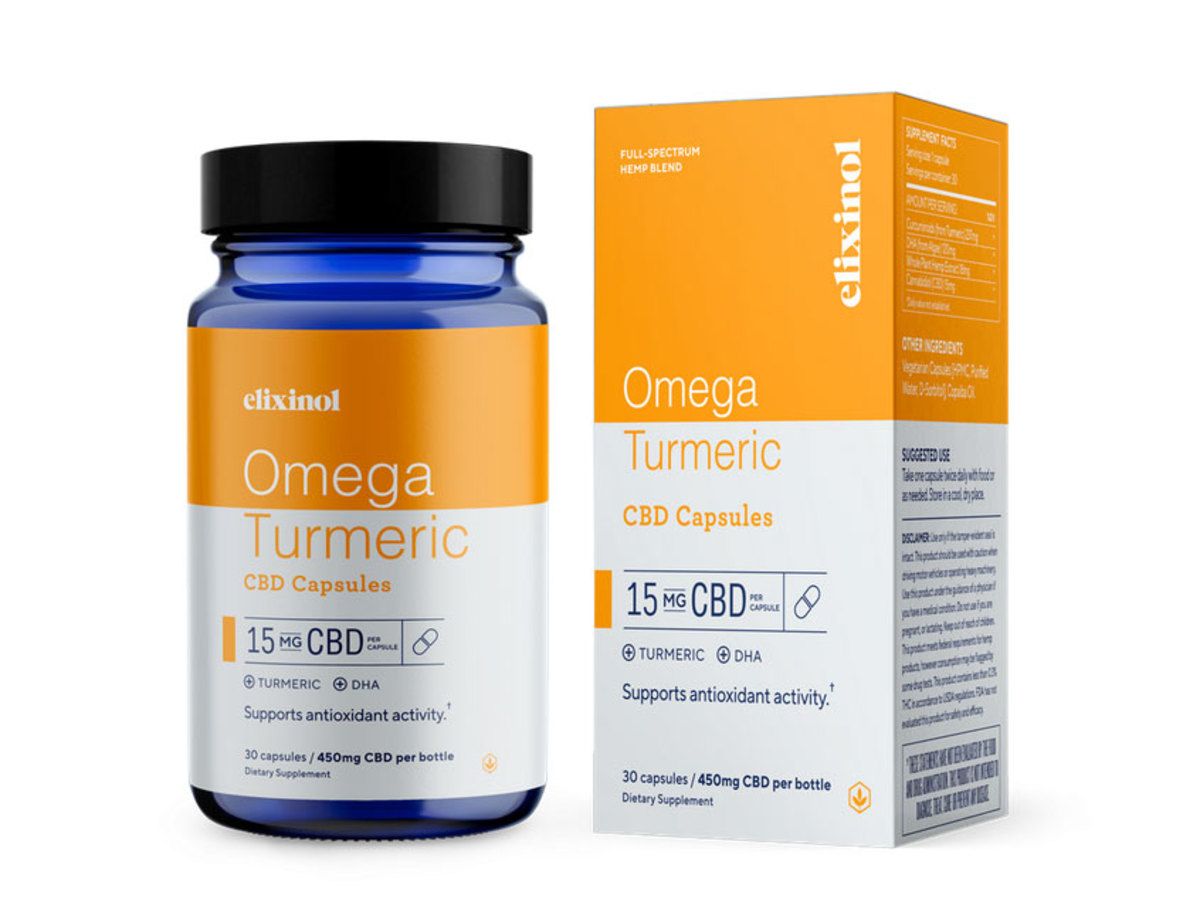
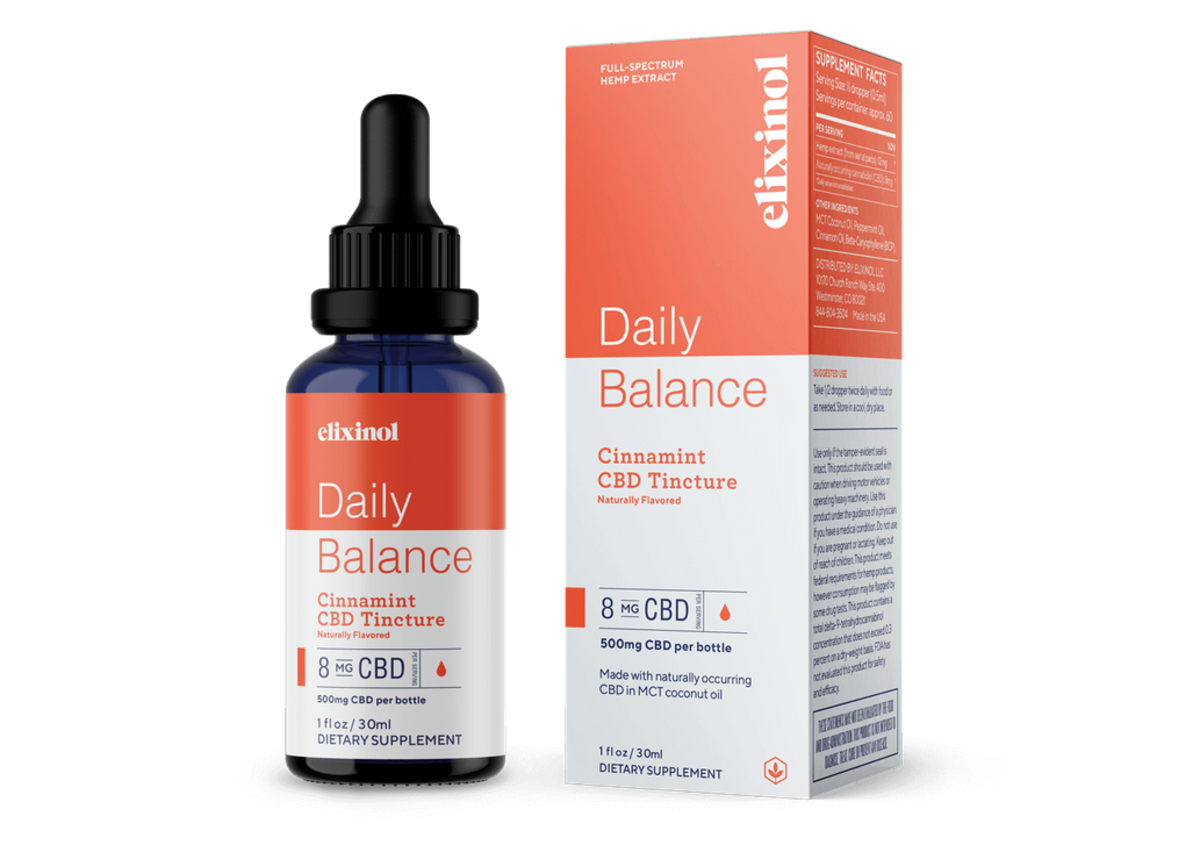
If you’re a gym rat, Crossfit enthusiast, or just a lover of bodyweight exercises, you’re familiar with the soreness that comes the day after a particularly butt-kicking workout. CBD capsules and whole body treatments, like Elixinol’s Omega Turmeric CBD Capsules, are purposely designed to calm and support aggravated muscles. Adding a dropper of Elixinol’s Daily Balance CBD tincture under the tongue helps balance a tired body.
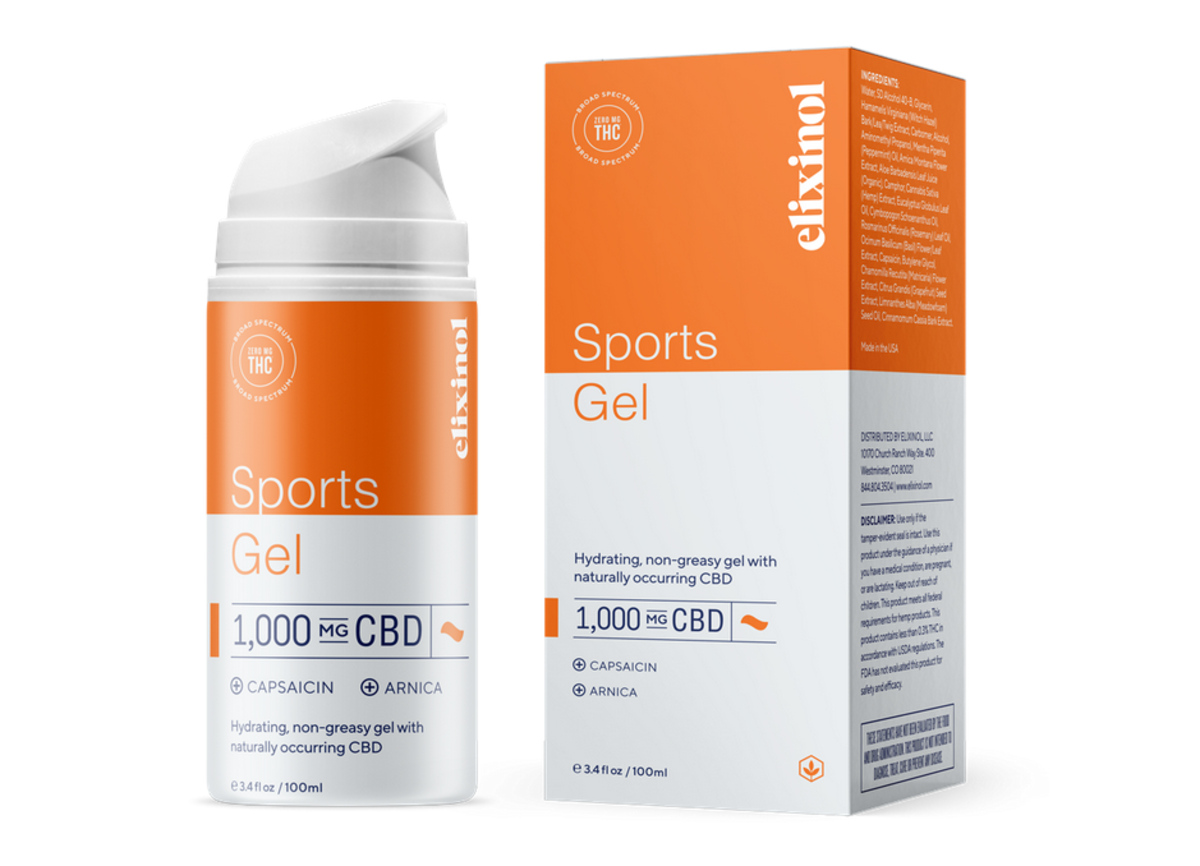
Overdo it on a run? Calves barking after a tough hike? A daily CBD supplement can help, but get right to the source with a topical like Elixinol’s Sports Gel, which adds capsaicin, and arnica in a gel form that can be quickly and easily absorbed into the skin. Massage into sore muscles to help you relax.
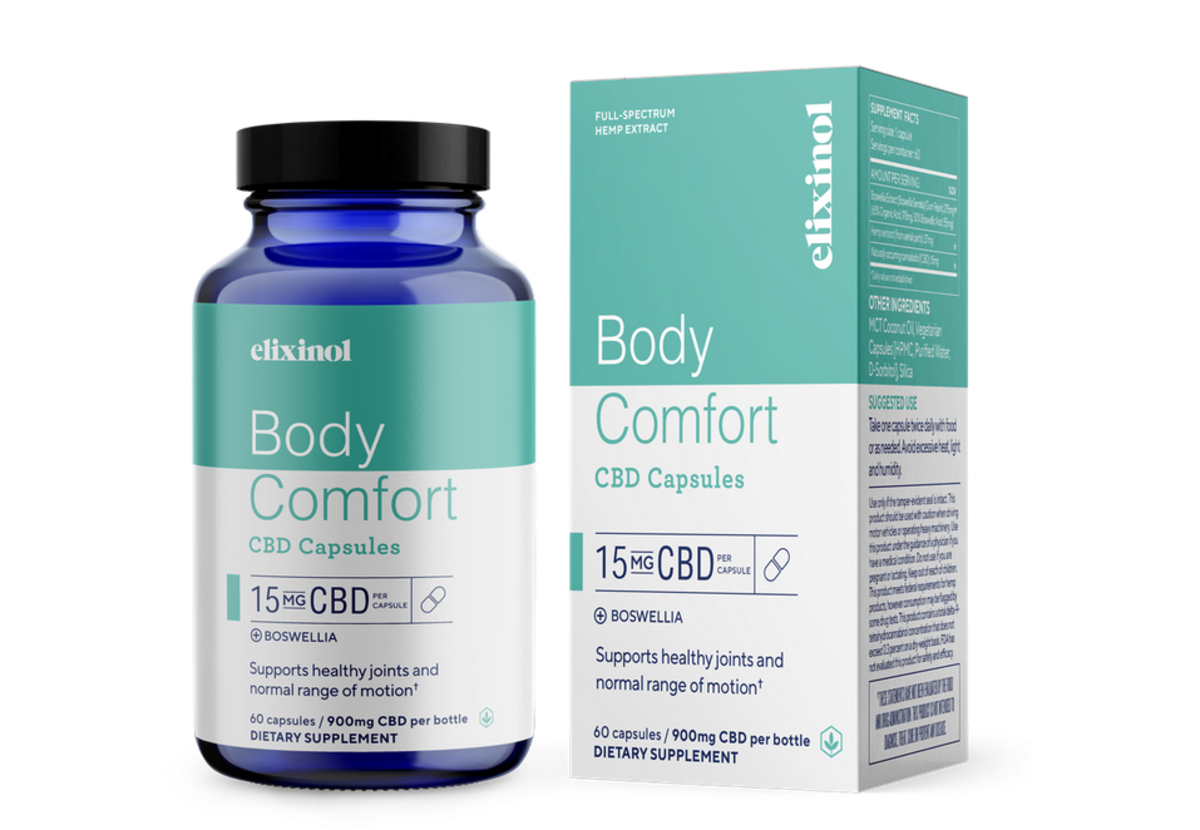
Even if you’re not crushing it in the gym, trail, or pool every week, the daily wear and tear of sitting at desks or working around the house or chasing kids can still be helped by a full spectrum capsule like Elixinol’s Body Comfort CBD Capsules. Loaded with the herbal extract Boswellia for joint health and muscle support, it—like most CBD products—has the additional benefit of easing occasional stress and anxiety, and supporting sleep hygiene.
Gaining the full benefits of CBD requires an understanding of which products work best for your system. But product lines like Elixinol’s offer a variety of combinations and delivery mechanisms to help you identify what works best to improve your performance at the gym, in the outdoors, or just throughout your day-to-day life.
The post How CBD Can Improve Your Performance in the Gym, Outdoors, and in Your Daily Life appeared first on Men's Journal.
When it comes building a well-rounded physique, the shoulders should be at the top of your list. Given that shoulders have been ranked as one of the most attractive bodyparts on a man, building that sought-after V-tapered figure (and looking good in a tank top) all starts with stronger shoulders.
The trick is to find effective exercises that isolate the shoulder muscles and help you achieve big results. And just in case you’re stumped on where to begin, we’ve rounded up a few shoulder-specific workouts from fitness enthusiasts on Instagram.
5 Targeted Workouts for Bigger Biceps Read articleWith these unique workouts—plus, a few rehab exercises for rotator cuff injuries—you have everything you need to build healthier, stronger shoulders.
The Single Best Hip Exercise for Men Read articleOverhead presses are one of the greatest moves to develop shoulder strength and mass. They build up the deltoids and muscles that support the scapula, strengthening the shoulder through a wide range of motion and improving performance both in and out of the gym. But they’re not the single best shoulder exercise for men. That title belongs to the landmine shoulder press.
Why? Because even when you’re careful to crank out overhead presses with picture-perfect form, something is usually off. And even slight form flaws can eventually lead to pain or injury. Enter the landmine shoulder press.
A landmine is a unique strength-training tool, created by securing one end of a barbell into a metal sleeve attached to the floor (or by wedging the end in a corner with towels or between two weights). The free end is then loaded with weight plates and used for resistance.
When it comes to the landmine shoulder press, the end is—you guessed it—pressed overhead using your shoulders.
“What truly separates the landmine shoulder press from other overhead shoulder press variations is the weight and shoulders’ movement path,” explains Tony Gentilcore, C.S.C.S., strength coach and owner of CORE training studio outside Boston.
With traditional shoulder presses, the weight travels straight up overhead in line with the ears, whereas the landmine demands an arched movement path. As you press the weight, it also moves forward in front of you in a curved trajectory.

Build bigger, broader shoulders with these essential upper-body moves.
Read articleThe landmine shoulder press’ movement path is important because it builds shoulders without the risks associated with most straight-overhead lifts.
Those risks, which include shoulder and low-back pain as well as wear and tear to shoulder cartilage, all stem from common shoulder mobility restrictions, Gentilcore says. These are typically due to a combination of sitting, hunching over phones and computers, muscular imbalances between the anterior and posterior chain, or simply not training mobility, he says.
The landmine shoulder press, however, doesn’t require above-average shoulder mobility, since you move the weight up and in front of the body. Translation: all of the benefits with less of a risk.
What’s more, the setup allows for pressing higher loads than typically possible with traditional military and overhead presses.
Pressing up and out, the shoulder is in a stronger position than pressing straight up. It also gets an assist from the chest muscles, further increasing how much weight you can handle, explains Prentiss Rhodes, C.P.T., product manager with the National Academy of Sports Medicine.
Plus, the landmine shoulder press is something of a mix between a free weight and fixed weight exercise, Rhodes explains. While the shoulders have to control the weight in some planes of motion, they don’t have to work as hard to stabilize a landmine as they do when moving a free barbell or dumbbells.

Craving a wider, more imposing frame? These mass- and strength-forging moves will do the trick.
Read articleStill, the control that the landmine shoulder press does require is still sufficient to improve shoulder stability, Rhodes says, and it’s important to focus on owning each phase of the exercise with firm, packed shoulders. The overhead phase also requires a lot of stability from the core.
Last, it’s also worth considering grip: The landmine shoulder press is performed with a neutral grip, positioning the humerus, or upper-arm bone, within the shoulder socket in a joint-friendly way. A pronated grip during shoulder exercises tends to carry a higher risk of impingement and joint discomfort.
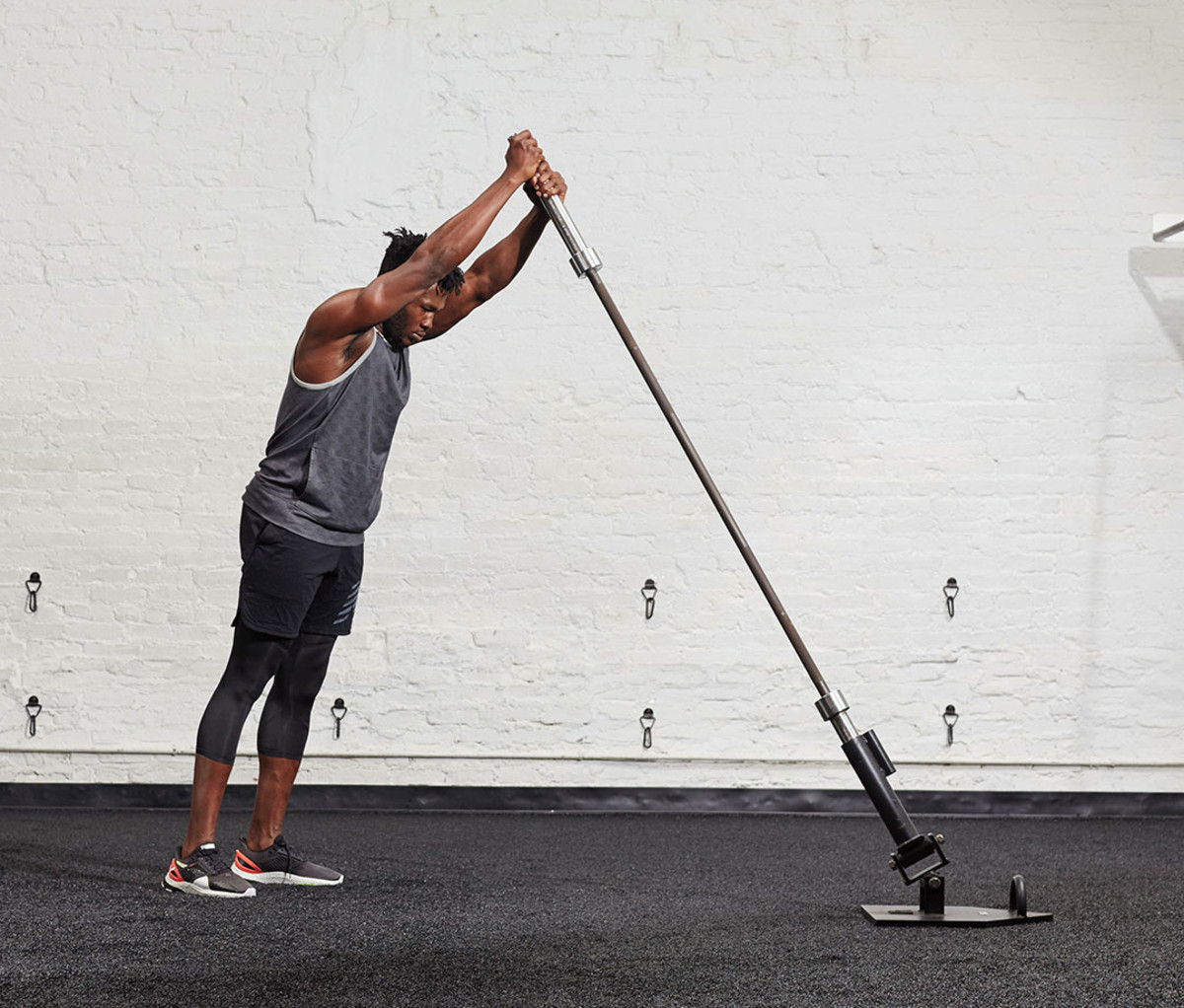
“Technique-wise, it’s very important to keep the upper back flat and core engaged, and not allow any dipping into the low back,” says Roger Earle, C.S.C.S., C.P.T., co-author of Weight Training: Steps to Success. This prevents weight from dumping into and hurting the lower back while also preventing any forward rounding through the shoulders. Try to keep your legs, torso, and arms in one long, straight line throughout the entire exercise.
As a progression, you can try the landmine shoulder press from a half-kneeling or split stance position, pressing with one arm at a time (with the opposite leg forward). This will focus on unilateral strength and put a greater demand for stability on the shoulder and rotator cuff muscles. It will also train the core’s anti-rotational strength and obliques to a high degree , Rhodes notes.
The landmine shoulder press can fit seamlessly into any workout regimen. Depending on your programming schedule, you can add it to total-body, upper-body, push, and shoulder-specific workouts.
If the shoulder press is one of many overhead pressing movements in your arsenal, consider training it two to three times per week. However, if you also perform various shoulder presses with free weights or machines, integrating it into your workouts even once a week can be highly beneficial.
The right load for you is going to be very individual, and based on both your goals and shoulder health. Because the landmine shoulder press is a multi-joint move, you can load it with a relatively high-rep maximum to hone in on maximal strength. For example, try 4 sets of 6 reps or 5 sets of 5 reps.
You can also use moderate or light weights and higher reps to prioritize muscular endurance or to keep your risk of injury at a minimum if you have cranky joints or a history of shoulder problems. Consider everything from 3 sets of 12 or 15 reps to 4 or 5 sets of 8 to 12 reps. The heavier you go, the earlier in your workout you should hit the move.
And even though the landmine press doesn’t demand the utmost shoulder mobility, it never hurts to train it. Perform a few minutes of drills such as wall slides, serratus anterior slides with a foam roller, or shoulder rotations before taking hold of the landmine.

Build a wide, round set of shoulders and a more imposing upper body overall with these exercises.
Read articleThe post The Single Best Shoulder Exercise for Men appeared first on Men's Journal.
If you’re going to work one joint, pick your hips. And if you want to do the single best hip exercise for men, choose the deadlift.
Your hips are one of the body’s biggest weight-bearing joints. They’re also the epicenter of human movement, affecting everything that happens in your upper and lower body, as well as your core.
Your hips also comprise 21 separate muscles, including some of your body’s largest and most powerful. And the deadlift works them all.
“It’s a no-brainer,” says Tony Gentilcore, C.S.C.S., strength coach and owner of CORE training studio outside Boston. “Among all hip exercises, deadlifts are at the top of the pyramid.”

When it comes to training the hips, deadlifts check all the boxes. They use one of the most fundamental human movement patterns, the hinge, to improve hip strength and power.
And by honing function and muscular balance, says Gentilcore, you reduce risk of injury throughout the entire body. The root cause of many common injuries, such as ACL tears, is an underlying hip deficit.
“The posterior chain is important,” Gentilcore says, noting that your glutes and hamstrings are your body’s power and performance muscles; their strength increases translate into improved lifting and athletic ability across the board.
A key way the deadlift improves sports performance is by contributing to strength and power in the athletic posture, explains Prentiss Rhodes, C.P.T., product manager with the National Academy of Sports Medicine.
“Many athletic moves begin in an athletic stance, which is essentially a hinge,” he says. “From this position, the athlete may sprint, jump, or perform any movement associated with their respective sport.” (Think three-point stance in football, defensive position in basketball, vertical jump, power clean.)
“You can load the deadlift heavier than other movements,” Gentilcore says, noting that can mean a greater stimulus for strength gains, not just in the glutes and hamstrings, but throughout the posterior chain.

You may not be able to see your psoas, iliacus, or sartorius, but these essential muscles are major ...
Read articleAfter all, even though the deadlift is a hip exercise, it works every muscle you’ve got—strengthening your hands, shoulders, lats, and core to a high degree. In fact, according to research published in the International Journal of Sports Physical Therapy, deadlifts crush the plank at training the transverse abdominis, the core’s deepest-lying muscle.
And if you do them right, they aren’t bad for your back. Deadlifts can actually decrease pain in people with lower-back problems, according to the Journal of Strength and Conditioning Research.
The first point to drive home is that there’s no one single best deadlift position or setup.
“Many people hear ‘deadlift’ and think, ‘conventional barbell deadlift, that’s what I have to do,’ ” Gentilcore says. “But no one outside of competitive powerlifting and Olympic lifting have to pull from the floor.”
And not everyone should, as anatomical structure of the pelvis and femur, limb length, and hamstring mobility all influence what foot placement and bar or weight height is best for your body.
For that reason, Gentilcore suggests taking time to determine which deadlift position and setup work for you. But since you’re unlikely to get X-rays performed on your hips to pinpoint your individual joint structure, “it’s all about trial, error, and a little bit of experimentation,” Gentilcore says.
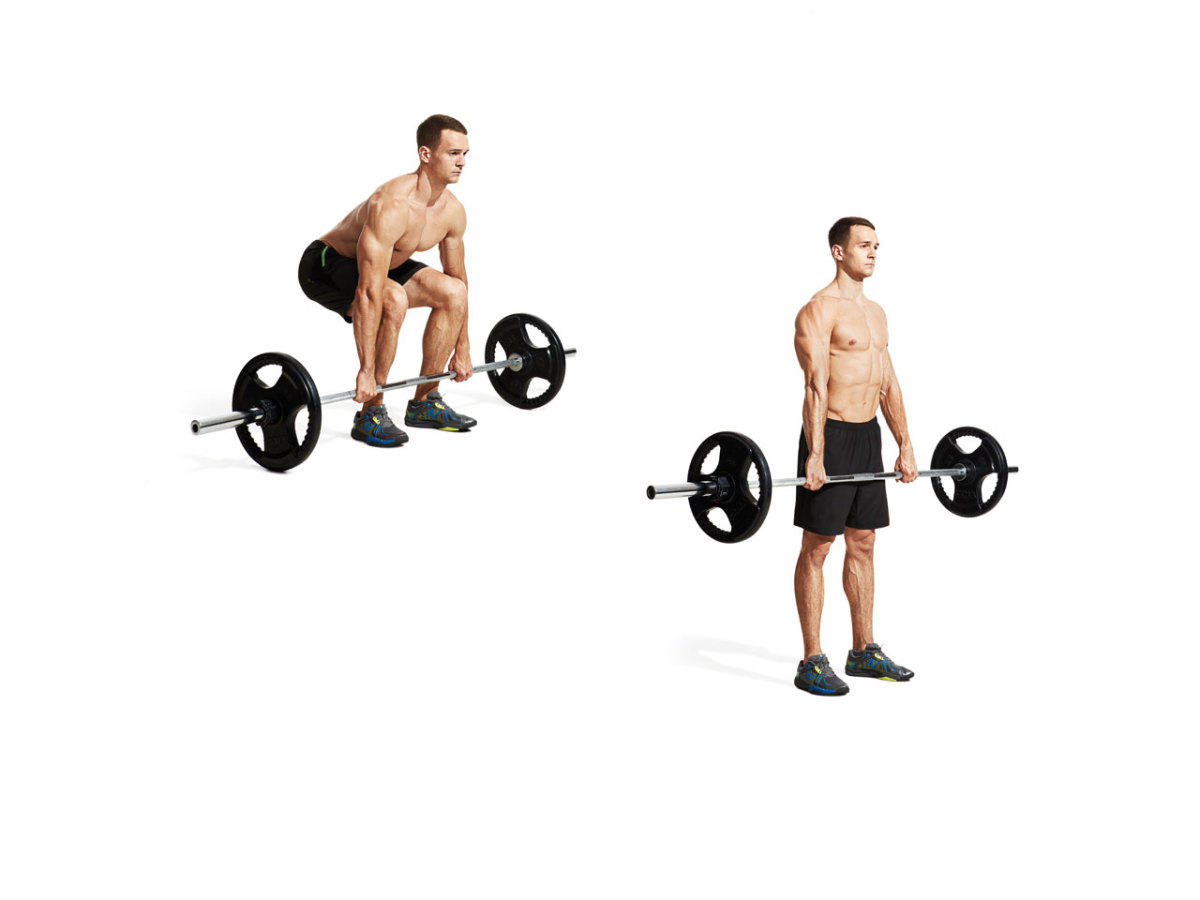
He recommends starting your deadlift tryouts with a trap bar, since the variation puts your center of mass inside the bar, meaning there’s less sheer force placed on the spine and it doesn’t require much mobility. Put simply, it agrees with most people.
From there, options include both a conventional hip-width stance as well as a wider sumo stance. “Try a few sets of each and see how they feel,” he says. With each variation, play with foot placement; your body isn’t perfectly symmetrical, and your setup doesn’t have to be.
Whatever position or positions you find work for you, here are some universal form guidelines that will help you enjoy maximum benefits with minimal risk of injury:
Keep your core engaged. A braced core acts like scaffolding to reduce excess stress on the spine, says UCLA sports medicine physician Joshua Goldman, M.D. It also helps you transfer power between your lower and upper body. Think about using your core to point your ribs toward the floor and maintain a neutral spine at all times. Hinge, don’t squat. As you lower into the move, push your hips behind you as far as possible, Gentilcore says. Your knees should bend minimally and move only slightly forward, if at all. Engage your lats. Pinning your shoulder blades down and in place will keep you from rounding your shoulders, which is especially common at the bottom of the movement, Goldman says. Use your arms as ropes. Your lats and delts work isometrically during the deadlift. They don’t actively raise the weights. Use your hips to power the movement, simply focusing on keeping your upper body braced, Gentilcore says. Stand up tall. As opposed to pulling the weight up or thrusting your hips forward, focus on driving the floor away from you to stand up as tall as possible. At the top of the movement, you should be in a “vertical plank,” Rhodes says. Keep the weight close to your body. If you’re deadlifting with a straight bar, it should nearly skim your legs as you both raise and lower the bar, Rhodes says. Meanwhile, if you’re using a trap bar, your hands will be directly next to your legs. Either way, preventing it from traveling forward in front of you takes the brunt off your low back. Start with the concentric phase. While there’s technically nothing wrong with performing the eccentric or lowering phase first, such as with an RDL, starting your deadlifts with the pull comes with a lower risk of injury, Gentilcore says. It prohibits “cheating” the deadlift with momentum.
To really improve and benefit from the deadlift, perform the exercise at least twice per week. You can choose to perform the same variation each day or alternate between setups, if multiple ones work for you. Depending on your workout schedule, you can integrate them into total-body, lower-body, or posterior-chain days.
Whatever you choose, though, deadlifts are generally best performed near the beginning of the workout and soon after your warmup and activation exercises, Gentilcore says. The deadlift is a highly technical movement that deteriorates with both muscular and central nervous system fatigue.
That’s especially true if you’re deadlifting high-rep maximums. Gentilcore recommends typically cutting sets at about 6 reps to reduce the risk of breakdowns in form. For example, consider performing 4 sets of 6 reps or 5 sets of 5 reps. If you’re ending each set with little to nothing left in the tank, rest 2 to 3 minutes between sets.
It’s all about ensuring quality of movement. The best deadlift for your hips is the one you do with impeccable form.
The post The Single Best Hip Exercise for Men appeared first on Men's Journal.
