
Up to 4,000 US troops could deploy to Middle East amid Baghdad unrest, officials say via FOX NEWS
One major concern this time of year is how to undo the excess of the holidays. Helping the gut microbiome is a start. Health-Ade Kombucha is a fermented tea that contains probiotics—the same stuff you get from miso, sauerkraut, and yogurt—which can help add to the healthy bacteria in your gut. Have a serving in the morning to aid in digestion throughout the day.
The Healthiest Low-sugar Kombuchas on the MarketKombucha, whose roots extend back a couple of centuries to China, starts as black tea. It’s combined with bacteria—a big slimy mushroom-looking disc called a SCOBY—and for a few days to a week, the bacteria pull the sugar from the tea and turns it into a fermented, fizzy, sour drink. And while there’s not enough alcohol to get you drunk, there’s a slight bit of it in there as a byproduct of fermentation. (Health-Ade takes four weeks per kombucha brew.)
Probiotic Beer is Here Whether We Like it or NotOf course, the probiotics are the star of the show. In addition to regulating gut health, probiotics are thought to reduce the duration of fatigue after intense exercise, as well as combat depression. Health-Ade boasts a series of healthy brews with none of the additive sugars that more inauthentic brands introduce to their drinks. Visit health-ade.com.
The post Kombucha: The Easiest Way to Support Your Gut Health appeared first on Men's Journal.
Here’s some added motivation to hit the gym: People who lift weights weekly have a 25 percent lower risk of developing colon cancer than those who don’t, according to a study published in the journal Medicine & Science in Sports & Exercise.
Colon cancer is the second-leading cause of cancer death in the U.S., so scientists at the National Cancer Institute are eager to get a handle on prevention, so they launched a longitudinal study including 215,122 participants. While the link between regular aerobic activity and cancer reduction is relatively well-known, the NCI wanted to investigate weight lifting, specifically, and how effective it is at fighting colon cancer.
Moderate Weekly Exercise May Negate Certain Negative Effects of Alcohol—Like Death From Cancer
Researchers found strength training about two hours per week reduced the risk of colon cancer even further. The reason: Developing more muscle helps maintain healthy blood sugar levels, which research shows is important in lowering the risk of common cancers.
While weight lifters saw a significantly lower risk of colon cancer, they also experienced a drop in a lower risk of kidney cancer when compared to subjects who didn’t lift. Combined with recent research about prebiotic foods and their relationship to cancer risk reduction, it’s clear that leading a fit and healthy lifestyle—with a bit of pumping iron thrown in for good measure—is the key to curbing your risk of cancer.
What to Ask Your Doctor at 20, 30, 40, 50, and 60The post Want to Lower Your Risk of Colon Cancer? Hit the Gym appeared first on Men's Journal.
We all know that excess salt is bad for the heart. Now researchers at Weill Cornell Medicine in New York City suggest that too much salt in the long run can hinder a person’s ability to think. The resulting study, published in the journal Nature, linked high-salt diets to cognitive impairment in mice.
Their work showed that in mice, the salt lowers nitric oxide levels in the brain’s blood vessels. This decrease produces a rise in certain enzymes that alter important proteins in neurons, which then hinders neuronal pathways involved in cognition. In lab animals, a brain change happened in two months. The change also shows an accumulation of tau deposits, or fully saturated proteins, that presage Alzheimer’s disease.
The Best Way to Reduce Your Sodium IntakeNeuroscientist Costantino Iadecola says humans would notice poorer cognition after several years on a high-salt diet. But there is good news for those who have overdone the salt: “Going back to a regular diet completely reverses the cognitive deficits,” Iadecola says.
In a press release from Weill Cornell Medicine, he also made clear where the most dangerous salt comes from. “The stuff that is bad for us doesn’t come from a saltshaker, it comes from processed food and restaurant food… We’ve got to keep salt in check. It can alter the blood vessels of the brain and do so in [a] vicious way.”
The post How Ditching High-Salt Foods Can Keep You Smart appeared first on Men's Journal.
Whether you’re already in the trenches of dropping those unwanted pounds or just getting around to your New Year’s weight-loss resolution, you’ve probably already hit a few roadblocks. Sugar cravings, hunger pangs, and the constant temptation—whether it’s during the holidays or at a tailgate—to eat fattening foods can all get in the way of building a beach-ready body. But they don’t have to. Meeting your weight-loss goals doesn’t have to be so hard.
Eating Dark Chocolate Could Give You the Same Feel-Good Vibes as Smoking WeedStudies have showed that 25.6% of Americans are physically inactive, and 31.3% of American adults are obese, and everyone gains at least a couple of pounds over the holidays. Limiting what you eat and when can go a long way to cutting down on your own weight gain. Starting new exercise routines can help as well, as long as you keep them up—most people who resolve in January to exercise regularly wind up giving up the resolution within a few months.
So it’s time to embrace the hard work of dieting and exercise. Here are eight tips and tricks to help you fight hunger cravings and speed up your weight-loss goals.
Avoiding All Those Holiday Sweets Could Benefit Your Mental Health, New Study Finds
Remove anything super processed and/or loaded with fat and sugar. "Instead of ice cream or leftovers, try a whole-grain, higher-fiber cereal with low-fat milk or baked chips with super spicy salsa," says Kristin McGee, a New York City-based trainer and Pilates instructor.
Anna_Pustynnikova / Shutterstock
Your body can misread thirst for hunger; so if you're dehydrated, that can fool your body into feeling hungry. Drinking water (especially before a meal) fills up your stomach, so you're likely to eat less. Need some flavor in that H2O? Switch to unsweetened green tea, which contains EGCC, an antioxidant that helps the body burn fat faster.
HQuality / Shutterstock
Chew on some sugar-free mint gum or brush your teeth with mint-flavored toothpaste. The mint flavors send signals to your brain that it's time to stop eating. It also tweaks your taste buds, so second helpings and dessert aren't quite so tasty.
Iuliia Timofeeva / Shutterstock
Bang out some pushups fresh out of bed. "It'll help you start the day with a feeling of success, and it gets in some additional upper-body training," says McGee. Try to increase the number you do every day. When you hit a plateau, switch to a harder style of pushup.
javi_indy / Shutterstock
Yes, they're varied, and there's a lot of debate about their effectiveness—but Fred DeVito of Exhale Spa is a fan. "I like to do one at least once a year," he says. "It can jump-start your weight loss and helps the body process nutrients more efficiently. It also 'resets' your taste buds so you are better able to appreciate real, nonprocessed foods."
denio109 / Shutterstock
Use hot sauce: You'll eat slower and probably less food because the heat slows you down. Some studies say you might even speed up your metabolism thanks to compounds in the chilies.
Africa Studio / Shutterstock
Yoga and any activity that lowers stress is a good idea. "The lower your stress, the lower your cortisol levels," says DeVito. That means your body will store fewer calories as fat. Acupuncture and massages also lower levels of inflammation in the body—another known contributor to weight gain.
Syda Productions / Shutterstock
Don't eat in front of the television or computer where you're most prone to snacking. Eat at the dining room table or in the kitchen only, says McGee, and you're much less likely to overeat or grab seconds.
Monkey Business Images / ShutterstockThe post 8 Ways to Curb Hunger and Lose Weight Faster appeared first on Men's Journal.
How many times have you promised yourself that “this is the year you finally ~insert healthy New Year’s resolutions here~, only to flake on those goals by mid-month? It’s easy to say you’re going to make better-for-you choices; it’s a lot harder to actually follow through with them when life gets in the way.
But New Year’s resolutions don’t have to be some life-altering, grand-standing declaration. Saying, for example, that you’re going to run five miles every day when you’ve run three a week until now is a surefire way to set yourself up for disappointment. Small, subtle tweaks are way more likely to stick, because you’re actually able to accomplish them day after day.
The No Bullshit Guide to Living Your Best LifeIf you’re looking for inspiration for New Year’s resolutions that feel more attainable than broad goals like “get stronger” or “eat healthier,” follow these trainers’ leads. (And, for the record, it doesn’t need to be a new year to make these kinds of resolutions. You could make them at the start of a month, any given Sunday, or in the middle of the week when you need a reset!)

“Setting New Year’s resolutions like ‘run the sprint triathlon on April 5’ helps because you have a specific date you’re trying to achieve something on. It’s a SMART goal: specific, measurable, attainable, and realistic. Physical challenges like races or a fitness event help with your overall well-being, health, and fitness goals because to train or to be successful at the event you need to change your diet and exercise plan. Doing this will help attack some of those underlying goals you’re trying to achieve, but it’s more fun and gives you something else to think about other than diet.” — Marie Urban, ACSM-certified fitness specialist and regional group training coordinator for Life Time
The 10 Most Adventurous Destination Races for Marathon Buffs“Meal prepping is quick and easy, yet it has a huge impact on your decisions regarding food moving forward. Instead of being tempted to buy or opt for something unhealthy when hunger hits, you’ll feel more obligated to eat the food you already spent your time and money on. And as you start to feel better physically, you’ll get more and more invested in sticking to your prep plans—which makes it an easy resolution to stick to.” — Jim Economos, ACE-certified trainer and running coach at Formula Running Center
10 Meal Prep Recipes You Can Make in Under an HourLooking good is great, but if you’re only working specific groups of muscles to make you look better, you’re ignoring other groups and potentially increasing your risk of injury. Guys tend to focus on the “beach muscles”—the chest, biceps, shoulders, and abs—and generally skip their legs and backside. But if we neglect our legs and posterior chain (like the back, lats, glutes, and hips), muscles can get overstretched and underworked and it can lead to a host of problems like knee issues, back problems, and weak glutes. In order to really get stronger, you need to work these, too.” — Joey Thurman, CSCS, MYXfitness coach
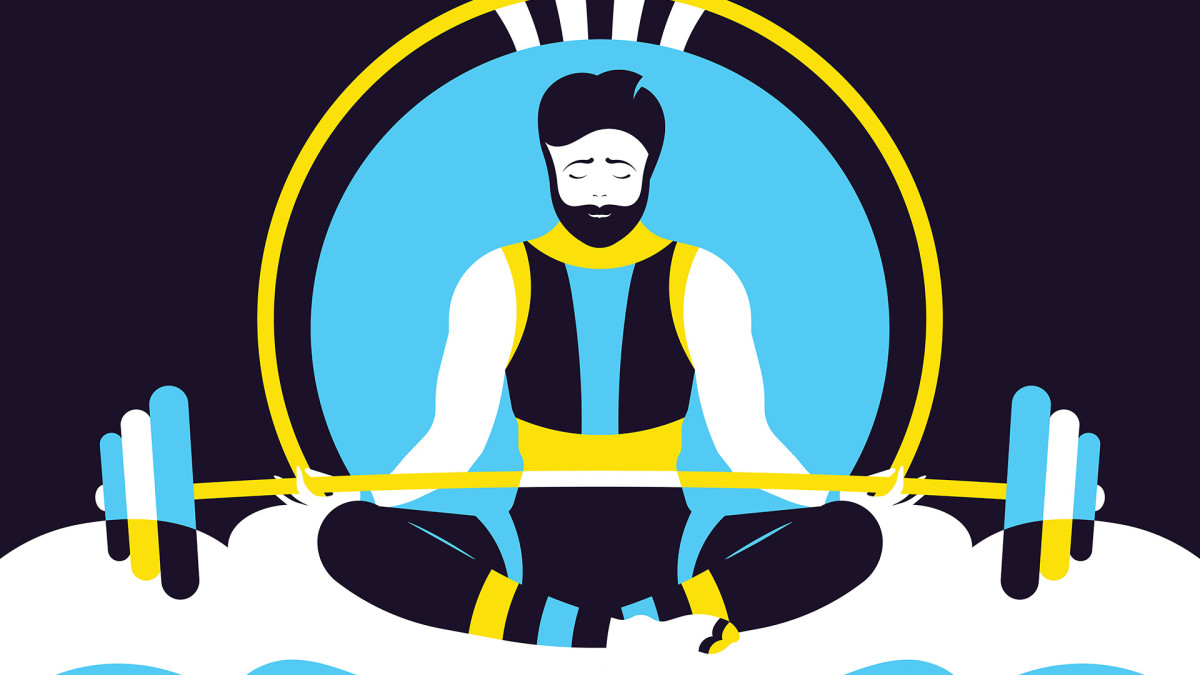
“I like starting my day with a short meditation, but you can reset at lunchtime or wind down before bed. This resolution will deliver the greatest bang for your buck because even five minutes, if done consistently, will have a tremendous impact on your life. If you’re new to meditating, there are plenty of apps, like Headspace and Calm, that make it super easy and will even send you reminders—so no excuses!” — Nadav Ben-Chanoch, NASM-certified personal trainer and co-founder of Rowgatta in New York, NY
The Distracted Man’s Guide to Meditation“It’s easier to be successful with training goals when you have someone holding you accountable. Find a friend, coworker, or someone with a similar fitness goal. Tell each other your New Year’s resolutions and why that’s your goal, then hold each accountable to that goal. For those who find it hard to motivate themselves, having someone there to keep you on track or someone you don’t want to let down always helps. It’s easy to say ‘I’m tired, I wont go to the gym today,’ but it’s a lot harder to bail when you know someone is at the gym waiting for you.” — Rashaad Slowley, NASM-certified trainer at Performix House in New York, NY
“This may not seem like a challenging task (or maybe it does!), but properly strengthening your core muscles has way more benefits than one might think. For starters, it’ll improve your posture and help to avoid low back pain caused by a weak musculature. Plus, it will strengthen the shoulders, quadriceps, and even the glutes if all your muscles are engaged correctly—which takes unnecessary pressure off of the hips and decreases your risk of injury.” —Lesley Bell, a NASM-certified personal trainer at Pacific Neuroscience Institute at Providence Saint John’s Health Center in Santa Monica, CA

“This type of practice—which includes foam rolling and muscle/fascia release work, active stretching, and muscle activation exercises—is extremely important when it comes to decreasing pain, preventing injury, and feeling and performing at your best. Think of it as maintenance you’re performing on your body. Most of the injuries that I see in my clinic could have been prevented by proactively making sure that all of your joints and muscles move well.” — Grayson Wickham, certified strength and conditioning specialist and founder of Movement Vault
“Put a notebook beside your bed and write one sentence daily before you fall asleep that you believe captures the high point of the day (one sentence only—keep it simple so you’ll stick with it!). We often look for monumental moments as proof that our lives are moving forward, but this can lead to us missing the real journey, which occurs an inch at a time. Decide that you’ll celebrate your ‘daily inch’ and watch how quickly you’ll propel your life forward.” — Amanda McVey, ACE-certified personal trainer at Upgrade Labs in Los Angeles, CA
The 10 Best Ways to Get Better Sleep“Sleep does so many good things for us—if we get enough of it! It’s when we heal, it’s when we digest, it’s part of the process of learning and remembering things. It also plays a vital role in hormone regulation and immunity. If we get inadequate amounts of sleep, it can lead to weight gain and even obesity. Research has shown that increasing your sleep to between seven and eight hours actually reduces the amount of the dangerous fat that sits around your organs, known as visceral fat. This, in turn, helps to combat other diseases such as diabetes, cardiovascular complications and even some cancers.” — Bell
“Even if you only move 10 minutes each day, getting your heart rate up will not only improve your cardiovascular fitness but also your mood. I always tell folks who ‘don’t have time to work out’ to try doing five minutes of burpees each day. See how many you can get on day one, then try to get one more burpee in that five-minute window on day two, and so on. Since it’s only five minutes, you can really push yourself—and you should be out of breath by the end, having just completed a high-intensity, full-body workout!” — Ben-Chanoch
The post 8 Trainers Share 10 Easy, Actionable New Year’s Resolutions appeared first on Men's Journal.
EVERY GENERATION has its fashionable eating programs. Think of fad diets like Atkins, Master Cleanse—even cabbage soup. Extreme diets have believers, but they are mostly dismissed by the medical establishment, which generally prefers sensible eating and exercise.
But a trio of contemporary diets is garnering interest from doctors and researchers: ketogenic, which focuses on fats and cuts back carbs; protein cycling, in which you go through periods of high- and low-protein intake; and intermittent fasting, or limiting your eating to certain windows. In his new book, The Switch, James Clement draws on 20 years of medical research and literature encompassing more than 18,000 studies to understand the biological mechanisms behind these diets. His thesis? That the body functions best when it toggles between an “on” and an “off” state. He proposes that these approaches to eating, in their own ways, do just that. We recently spoke to Clement about why these diets make the difference.
Eating Between These Hours Can Help You Lose More WeightJames Clement: The cells in your body operate in two states: anabolic, which is a growth phase, and catabolic, or housecleaning mode. mTOR is a protein complex inside cells that switches them between anabolic and catabolic states. The switch is like a dimmer for lights—turning it one direction increases light and the other decreases it. The switch should move back and forth continuously, but our modern lifestyle tends to keep it turned on most of the time.
When the body is in a catabolic state, it activates autophagy, a process in which the body does cleanup on a cellular level. It’s also a quality control for proteins the body creates. Think of proteins as origami paper cranes. Your body makes millions of these paper cranes a day. They are three-dimensional and have to be folded perfectly. But some of them aren’t. Autophagy is when the body picks out the defective cranes and recycles the paper. When you’re young, there are fewer folding errors and cleanup goes quickly. As you get older, the body is slower to deal with it. That buildup of misformed proteins leads to signs of aging, like muscle weakening and joint deterioration.
These three diets affect the sensors that switch the body into catabolic state where autophagy can take place. For instance, the keto diet depletes glucose reserves in the muscles. When this happens, insulin drops and autophagy begins.
The Best Diets to Lose Weight, RankedWhen it comes to endurance, consider that the glycogen stores for a 150-pound man is about 880 calories. But that same man carries 135,000 calories of fat on his body. So someone who burns fat for fuel will run a lot longer than a body running on glucose. That’s why you’re finding a lot more endurance athletes training their bodies to turn from glucose-burning to fat-burning by fasting before a long training session.
Exactly. If you eat at 7 p.m. and not again until morning, you will have burned up those 880-calorie reserves and put yourself in a catabolic state just the way a keto diet does.
Cells operate in two states: growth and housecleaning. The switch should move back and forth continuously.
Building muscle is entirely different. When nutritionists recommend high levels of protein, they are basically putting the accelerator pedal down on cell production in an anabolic state, which is necessary for building muscle. But if you keep the pedal down all the time, the body never gets a chance to clean out and repair itself. This is the reason for protein cycling: Several days of the week or weeks of the month, you eat very low levels of protein, followed by normal protein intake. You want cell proliferation at some points. But you need to switch back and forth.
Is the Paleo Diet for You?Yes, but they practice calorie restriction, which keeps glycogen and protein levels low. They live longer because they are essentially living their entire lives with the switch off. If we tried it, we might not like how we felt. I tip my hat to people who can reduce calories to 70 percent of normal and not be angry or obsessively thinking about food all the time. I don’t think it’s something you should do nonstop. You still need to turn the switch on by going through an anabolic state every few months to build up stem cells and your immune system.
By hunter-gatherers, I mean pre-Westernized, preindustrial people, who likely had fewer diseases than we do. Plenty of research shows that when we first came in contact with less-advanced cultures around the world, they had none of the cardiovascular diseases of the West. Some of the first things we started trading with them were flour and sugar. Shortly after, their health was devastated. I mean, you don’t even find evidence of cancer, heart disease, or Alzheimer’s in the West before the industrialization of our food supply.
20 Weight-loss Tricks That Actually WorkAnything over three days should be done under doctor supervision, just to be safe. Assuming you’re a healthy guy without a low BMI, I don’t see it being a problem.
None of these plans is perfect, but each can promote longevity so long as you toggle between the diet and a regular eating plan to keep moving the switch on and off. It’s more about: Which one are you going to stick with? For some, intermittent fasting is easy. Others find protein cycling easier to follow. There is no “best.” You need to choose what works for you.
The post Could Fad Diets Lead to a Long, Healthy Life? appeared first on Men's Journal.
STRENGTH TRAINING is synonymous with lifting heavy. It’s effective, but it’s not the only way. You can get plenty strong by moving lighter weights at high velocity, says Ryan Hopkins, co-founder of Soho Strength Lab in New York City. This trio of no-slam medicine ball moves is proof. Borrowed from basketball conditioning workouts, you’ll maintain control of a six- or eight-pound medicine ball throughout to have you accelerating and decelerating in quick succession, thus recruiting more muscles. Do these to kick off a lifting day for muscle activation and strengthening.
20 Things Your Bro Doesn’t Know About WeightliftingWorks the rectus abdominis, obliques, and hips.
Start with soft knees, holding a medicine ball in front of right pec, shifting weight in right foot. In a swift, fluid movement, step left foot to the side into a shallow squat, and snap ball to left pec, left elbow back. Reset and repeat. Do 2 or 3 sets of 6 reps per side.
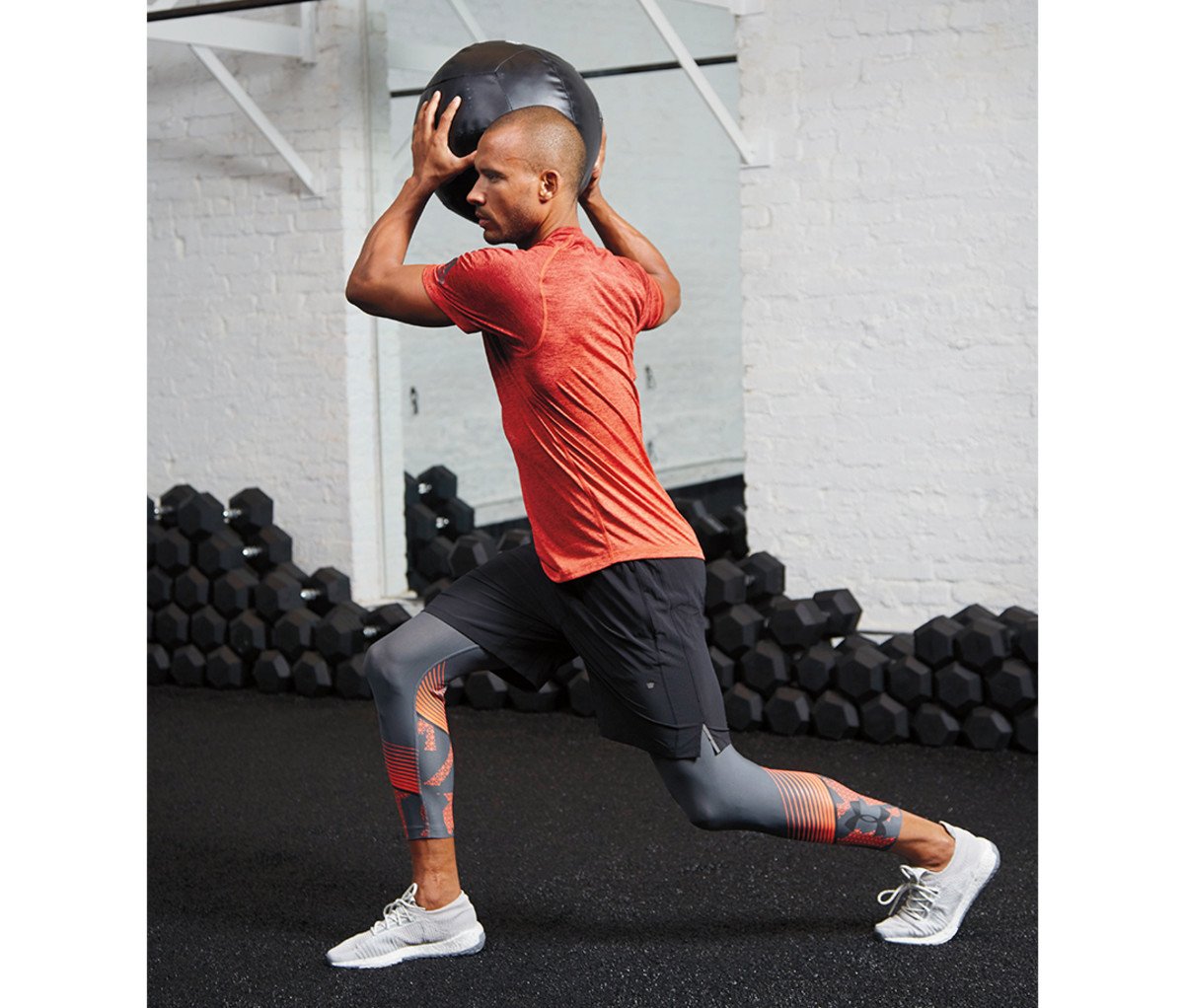
Works the shoulders, pectorals, torso, hips, and legs.
Start in a split stance, right leg forward, left leg back and knee off floor, holding medicine ball beside right cheek, to start. Snap ball to left hip. Reset and repeat. Do 2 or 3 sets of 4 reps per side.
How to Get Bigger Arms: 2 Techniques You Need to Know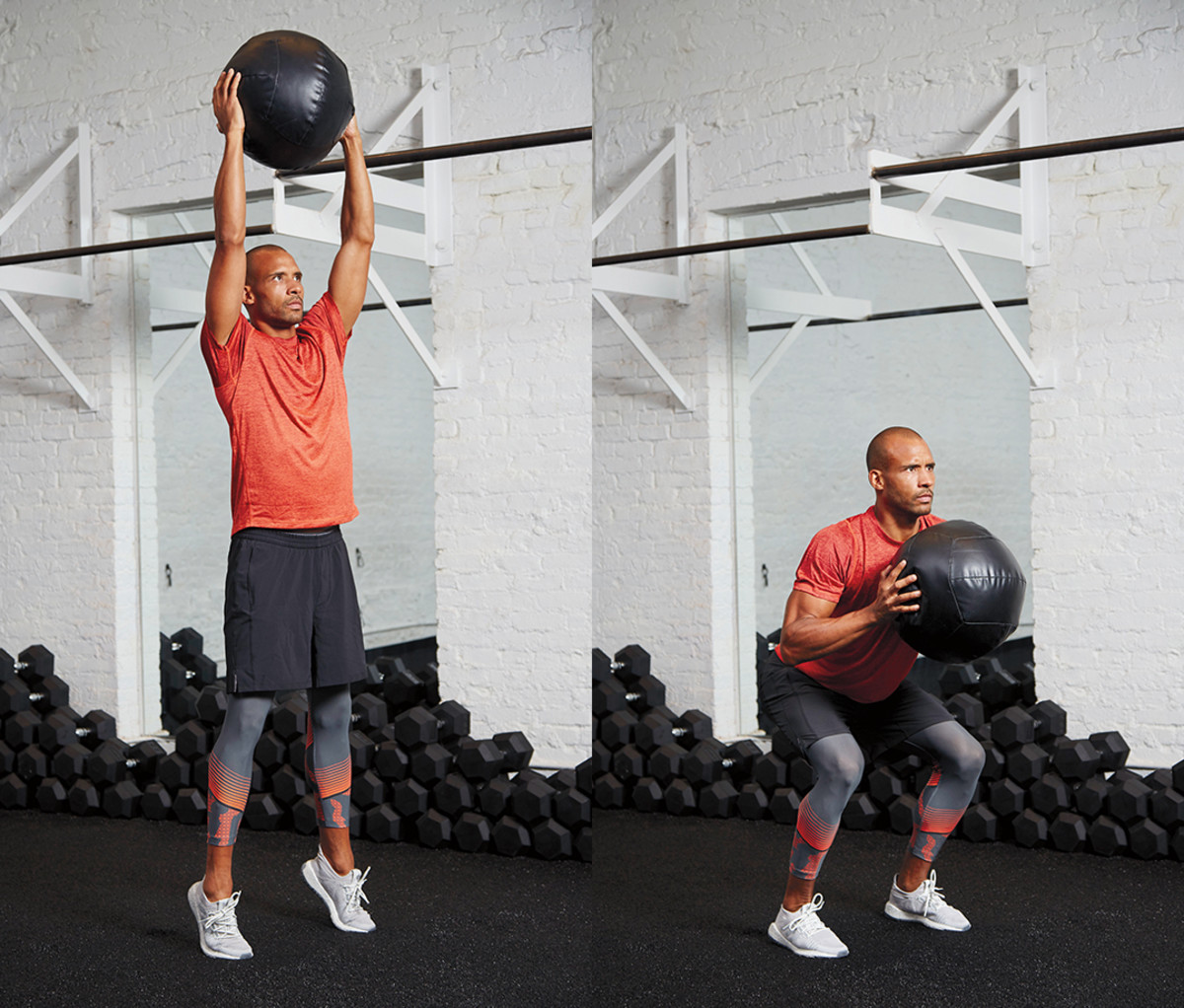
Works shoulders, lower back, butt, hamstrings, quads, and abs.
With feet hip-width apart, reach medicine ball overhead, standing on balls of feet, to start. Quickly drop into a high squat, medicine ball to chest. Reset and repeat. Do 2 or 3 sets of 6 reps per side.
The post The Best Medicine Ball Circuit to Hone Strength and Power appeared first on Men's Journal.
IN THE HIERARCHY of nuts, peanuts are at the bottom. Cashews, almonds, and walnuts are distinguished and healthful. Peanuts are often relegated to pub mix. But fitness-minded folks stock up on the legumes because they are, in fact, just as nutritious—and a jar of peanut butter is so much more affordable than fancier nut butter.
Recipe: High-protein Peanut Butter Crepe With Chocolate FillingFor starters, peanuts pack protein. An ounce clocks in at 164 calories and delivers 6.6 grams of protein and 2.2 grams of fiber. It’s got a smattering of trace minerals, including manganese, magnesium, and copper, plus anti-inflammatory antioxidants. And peanuts are cardioprotective—several studies have confirmed that people who regularly eat peanut butter and other nuts are less likely to develop heart disease.
The concentration of nutrition is appealing, as is how easy peanuts are to digest. “Peanut butter is a universally loved sports food,” says Nancy Clark, a Boston-area nutritionist and author of Sports Nutrition Guidebook. “It’s why runners have peanut butter sandwiches for breakfast.”
The 10 Healthiest, All-natural Nut and Seed ButtersAthletes should have several servings of nuts a week—peanuts among them. When buying peanut butter, go for low-processed, all-natural brands, Clark says. The heavily processed ones have less anti-inflammation powers and can contain sugar and corn syrup. Natural butter separates, with oil forming on the top. A simple fix: Store the jar upside down.
The post In Defense of Peanuts, the Most Humble Superfood for Athletes appeared first on Men's Journal.
Bad news. There’s no magic diet, perfect workout, or new gadgetry in these pages. Shocking for a post about New Year’s resolutions, we know. But our guide to having a better year is void of gimmicks.
The Best Diets to Lose Weight, RankedWhat you’ll find: more than 25 simple, expert-backed methods you can start now to get you healthier in body and mind this year. Fair warning: Simple does not mean easy.

It’s not that you need to haul a mattress up a flight of stairs, but it’s nice to know you can. Even nicer is having the muscle and cardiovascular power to do it in your 50s or 60s. Functional movements—lifting, pushing, carrying heavy objects—are a measure of true strength, achievable by doing tried-and-true movements consistently. Mattress aside, building muscle is key to long-term health, protecting almost every system in your body. It’s also a powerful tool for the mind. Strength training seems to help people suffering from depression, anxiety, and other mental issues, suggests a paper from the University of Georgia. Here’s your guide to getting strong, designed by Adam Rosante, a trainer in New York City and author of The 30-Second Body.
Resistance train three days a week, do high-intensity interval training twice a week, and do low-intensity steady state training once a week. Rosante recommends sticking to this breakdown for four weeks, then reassessing and adjusting accordingly. Play the long game and tinker with your workout schedule until it fits into your life. That means you don’t need to work out six days a week; instead, double up and do 30 minutes of resistance followed by a 20-minute HIIT treadmill workout or a 30- to 45-minute low-intensity brisk walk to check off two separate workouts.
There are eight basic movement patterns: squat, hinge, lunge, push, pull, rotational, anti-rotational, and carry. Each workout, choose 4 or 5 moves from the following list. Swap movements as desired, like subbing in pullups for inverted rows, or goblet squats for front squats. Perform 3–4 sets of 8–10 reps using a weight that allows you to complete all the reps but no more. Hit all of the patterns at least once a week.
The first round of moves are:
Front Squat Deadlift Reverse Lunge Pushup Inverted Row Wood Chopper Pallof Press Heavy Suitcase CarryJot down a plan that’ll carry you through the next 3–4 weeks. Include which moves you’ll do on each of three days, and sketch out weights, sets, and reps. Log workouts as you go to track progress. It’ll take about 2 or 3 weeks to feel stronger.
After 3–4 weeks, switch things up. Create a new workout based on the fundamental movement patterns. Try new weights, like switching dumbbells for kettlebells, or trying out sandbags and ViPRs. Do that for 3 or 4 more weeks. You can keep this up all year.
7 High-octane HIIT Workouts That Burn 500 CaloriesExamples: Airdyne Bike, Hill Repeats, Lap Swimming
HIIT workouts rev your heart rate to 80–95 percent of your max. If you don’t have a heart-rate monitor, your effort level should feel like an 8 out of 10. Go hard 10–15 seconds, then back off to a lower intensity for 20 seconds to a minute. Continue alternating for up to 20 minutes.
How to Stick to Your Resolutions and Achieve Your Goals in 2020Examples: Casual Bike Ride, Leisurely Hike, Restorative Yoga
Move, but take it easy. Your max effort should be a 3–6 out of 10. It’s a good opportunity to do something low-key with your family.
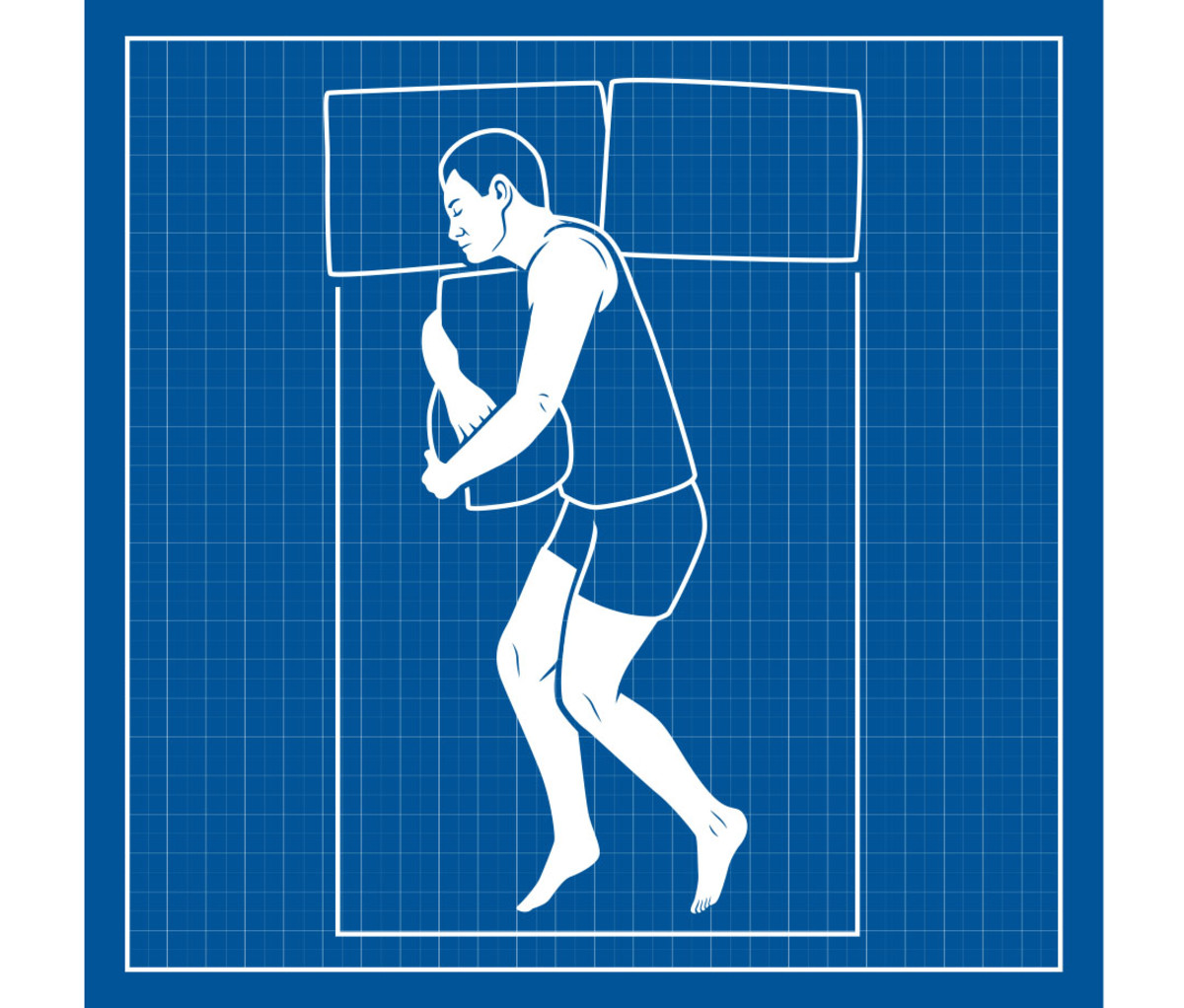
Just like better workout gear, bedroom gear can help to optimize sleep, says Terry Cralle, a registered nurse with the Better Sleep Council. Here’s where to start:
Replace Your Pillows: Do this every two years. Pillows get smushed over time, and they carry microbes and dust, which can bother people with allergies or respiratory sensitivities.
Get a White Noise Machine: Even if you don’t totally wake up, noise at night can fragment your sleep, which is why you can technically get enough shut-eye but still wake up tired.
Go Dark: “It’s so important to have a completely dark sleeping environment and prevent light leakage from disturbing your sleep,” Cralle says. That means turning your digital alarm clock to face the wall, turning off hallway lights so nothing comes beneath the bedroom door, and installing blackout curtains.
This Diet Could Lower Your Risk of Heart Disease by 32 PercentAim for 7.5 Hours: That’s the approximate amount of hours of sleep a person needs per night, according to a consensus of sleep experts. If you’re not a great sleeper, doctors often recommend trying natural sleep remedies before seeking a prescription. Try sipping tart cherry juice, which contains naturally occurring melatonin—a sleep hormone. Look for a kind that doesn’t have added sugar. We like Cherrish, a blend of Montmorency (tart) and Bing (sweet) cherries—96 per bottle. Drink some two hours before bed.
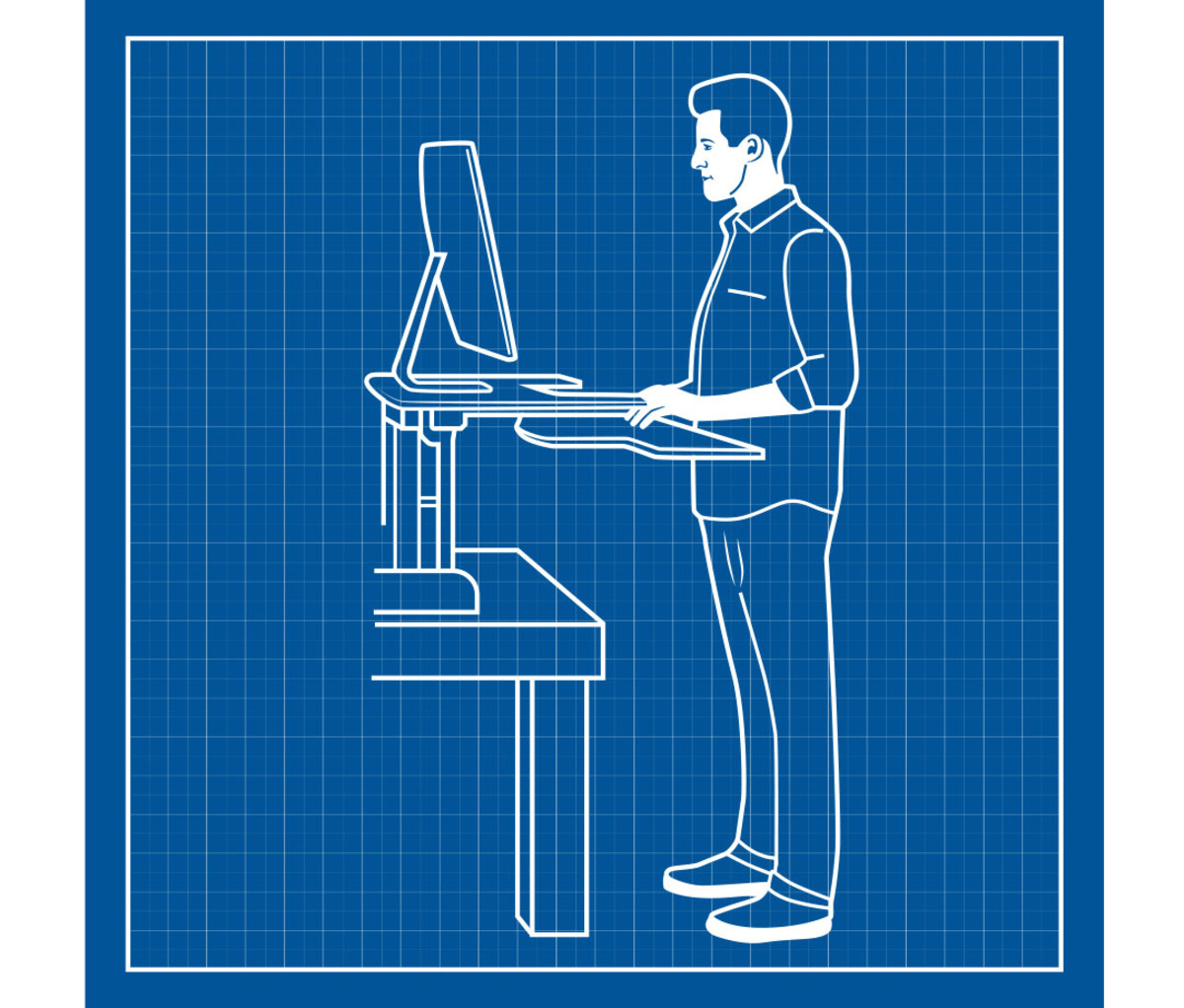
American adults spend more than three-fourths of their waking hours in sedentary activities like sitting, according to a study of nearly 8,000 people. Too much sedentary time is a huge health hazard, linked to cardiovascular disease, diabetes, and premature death. Assuming you can’t quit your desk job, try to vary your postures and move more. For a start, we recommend an adjustable standing desk. They can be pricey, so check if your company has a corporate wellness program to foot the bill. If not, the brand Fully has a simple standing desk converter for $149. To keep your day active, alternate 8 minutes standing with 20 sitting and 2 minutes of movement like walking or gentle stretching, says Margaret Hanson, an ergonomist at the U.K. consulting firm WorksOut.
This is the year you stop allowing devices to run your life. Tech can hurt sleep, productivity, relationships, and mental well-being. There’s even more reason to do it if you have a family. Get in the habit of cordoning off your smartphones. Do a 20-minute email check-in right after dinner, minimize weekend screen time, and put phones on Do Not Disturb when you’re out doing activities—callers who ring twice will get put through, so you won’t miss emergencies. If you’re unsure whether you’re an addict, see what it’s like to go without tech. Leave your phone at home when you go for a run, or pop out for groceries. How uncomfortable you are untethered gives you an idea of your dependency. We’re not suggesting you give it up entirely. Emails need replies; Google Maps is a lifeline. But it’s healthy to take time off. Consider a digital-detox vacation—go somewhere with spotty or no service to reconnect with nature.
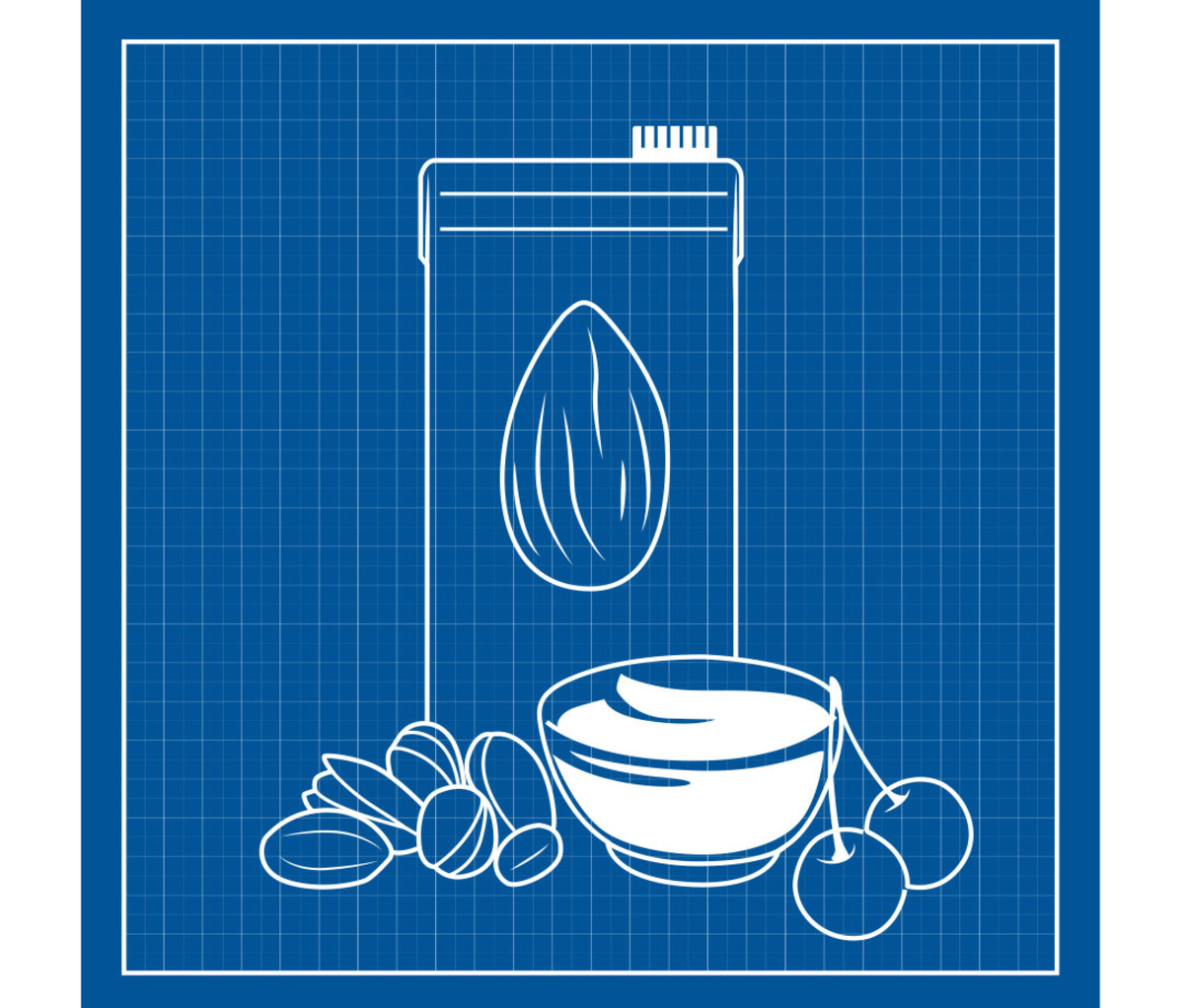
Yes, the Starbucks Spinach, Feta & Cage Free Egg White Wrap is great in a pinch, but fast and hassle-free meals at home are totally doable. There are a few criteria to a good breakfast, according to Willow Jarosh, a registered dietitian in New York City. It should be robust enough to carry you through workouts or the first part of your day, and contain a good balance of macronutrients as well as healthy produce—vegetables, if possible. Here are three of her top picks.
The concept is simple. In a mason jar or other sealed container, combine rolled oats, milk or yogurt (which softens the oats), some add-ins like nuts, dried or fresh fruit, plus spices or vanilla extract. Seal and refrigerate. The next morning, stir and eat. Or portion out several on Sunday to have through the week. Here’s our go-to combo:
Cherry-Pistachio Overnight Oats
1⁄2 cup 2 percent milk 1⁄2 cup plain lowfat yogurt 1⁄2 cup rolled oats 1⁄2 cup frozen cherries, thawed 1⁄4 cup unsalted pistachios Season with orange zest, ground cinnamon, and ground ginger to tasteIf you’re already in the habit of cooking a second portion of dinner to eat for lunch, do the same for breakfast. Make an extra cup of grains—such as quinoa or brown rice—plus a big helping of vegetables. In the morning, crack two eggs in an olive oil–coated pan, and scramble with the leftover grains and veg. Top with sliced avocado and sriracha. Make it to-go and roll in a tortilla for a breakfast burrito.
Don’t balk when you read this recipe and see cauliflower. It’s delicious in smoothies, adding a thickness akin to ice cream (seriously). And it’s packed with vitamins and fiber for satiety. To cut down on time in the a.m., at night toss everything except the banana and cauliflower in the pitcher of a blender and refrigerate. Then in the morning, add produce, blitz, and enjoy.
Pumpkin Pie Smoothie
If you haven’t heard the news, it’s good to talk to someone about what’s going on. Even better if you can start a dialogue when things are stable and going well. “It’s about building a connection to a professional who knows your story before things get tough, so they can actually help you in that moment,” says Kelli Harding, M.D., a psychiatrist in New York City and author of The Rabbit Effect. But finding an hour a few times a month can be a separate challenge. If that is what’s standing in your way, try telemedicine services, which facilitate video chats with licensed therapists. (We like Talkspace.) Check with your insurance—many have telemedicine options, so you avoid the rigmarole of insurance approvals and co-pays. While these services are convenient, they’re not a total replacement for in-person interactions, Harding adds. And be a little patient with the process. You may need to shop around for a person you’re comfortable with, which is the key to a successful, sustained relationship.
Saying “thank you” isn’t just a social norm. It’s physically good for you. “Kindness and gratitude impact health on a physiological level,” says Harding. “Studies show practicing gratitude lowers blood pressure, boosts immune system and energy levels, and helps you sleep better. The vast majority of our health is actually being determined by positive connections to other people.” Maybe practicing gratitude sounds touchy-feely, but it’s simply expressing thanks—to a coworker who had your back in a meeting, to your kids for cleaning up their rooms, or to a friend who picked up the bar tab. If you’re not up for a public airing of gratitude, try this: Before you go to bed, jot down three things you’re thankful for in a notebook or on your phone, and reflect on it for a few minutes. Research suggests it may actually help you sleep better.
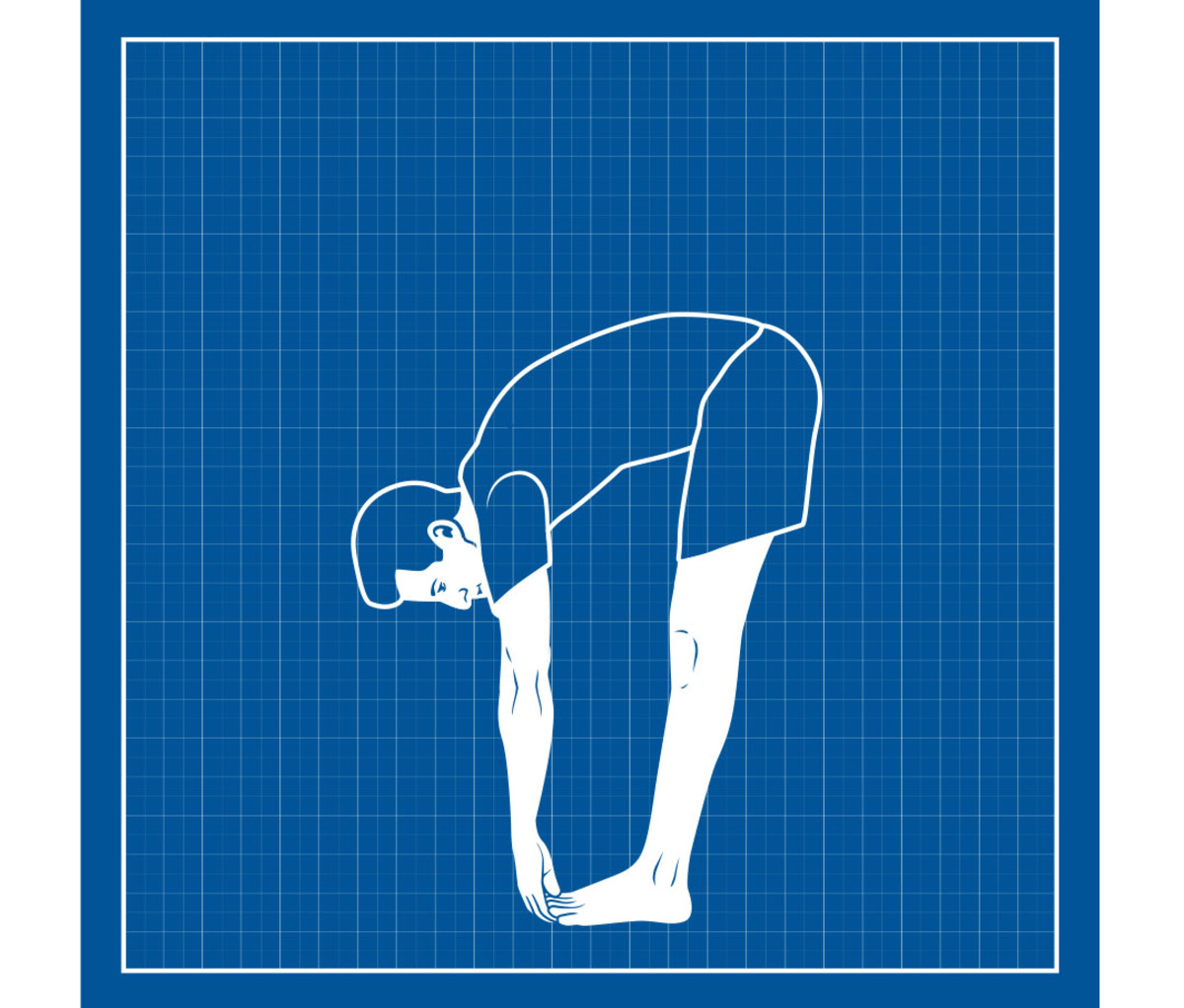
Mobility is the foundation of all physical activity, but it’s the first thing people neglect when they’re short on time. To move well, you need healthy muscles and ligaments, as well as good range of motion within the body’s key joints, says Austin Martinez, director of education for StretchLab in Southern California.
But how mobile are you, anyway? Touching your toes is a good rough guideline. “It’s a way to measure progress towards increasing mobility over time,” Martinez says. “How hard it is to actually reach your toes varies person to person, but the more frequently and consistently you’re stretching toward this goal, the easier it will be.”
Improved flexibility, mobility, and range of motion have been shown to decrease the risk of injury, especially key if you’re an active person (think runner, skier, hiker). Get a baseline measure: Fold forward, keeping back straight, and see how close to your toes your fingers get. Then do this three-move routine once a day. Test your toe-touch progress once a week.
1. Seated Straddle
What it works: hamstrings and lower back
How to do it: Sit on floor, legs locked out in a V position, toes pointed up. Reach forward with both hands, allowing a slight bend in lower back while engaging core. Hold for 30 seconds, then back off. Repeat twice.
2. Pigeon Pose
What it works: piriformis (a muscle at top of hip joint), glutes
How to do it: Kneel and place hands on floor in front of knees. Slide left leg behind you so knee and shin are flat on floor. Bend right leg, with knee pointed at a 45 degree angle, right heel under left hip. Walk hands out in front of body, resting chest over right knee. Hold for 30 seconds, release, then switch sides. Repeat twice.
3. Hip Flexor Stretch
What it works: hip flexors
How to do it: Kneel, then lift right leg and place foot on ground. Keeping back straight, squeeze left glute, shifting torso slightly forward, without chest tipping over. Hold for 30 seconds, then switch sides. Repeat twice.
The main selling point of multitasking is that it’s efficient. But we’ve been sold a bill of goods. “Your brain can’t focus on multiple attention-requiring tasks at the same time,” explains Dave Crenshaw, author of The Myth of Multitasking. “Every time you do that, you’re actually switching back and forth between tasks.” And toggling can cost as much as 40 percent of someone’s productive time, according to research cited by the American Psychological Association. Tasks take longer, there’s more room for mistakes, and stress levels rise, Crenshaw says. These breakdowns can have a negative effect on your working relationships with colleagues, too. Stop using to-do lists. Instead, make scheduled commitments to complete tasks on your calendar. Leave plenty of unscheduled buffer time so that when interruptions occur—and they will occur—there is time to deal with them but still stay on schedule.
The post The No Bullshit Guide to Living Your Best Life appeared first on Men's Journal.
Henry Cavill is no stranger to getting sculpted for his roles. Whether it’s adding pounds of muscle to play the Man of Steel in Batman v Superman or working on his fighting skills to play Agent August Walker in Mission: Impossible – Fallout, Cavill knows the focus and countless hours of work it takes to transform for a major blockbuster moment.
Cover Story: Man on a Mission: Henry Cavill Goes From Man of Steel to ‘Mission: Impossible’In Netflix’s new series The Witcher, Cavill is front and center as Geralt of Rivia—and, unsurprisingly, that meant he had to be shirtless. To prepare for those moments, Cavill had some classic bodybuilding techniques up his sleeve to make sure his muscles really popped. While appearing on the Graham Norton Show in December to promote the release of the show, Cavill spoke about his training for The Witcher, saying:
How Henry Cavill Trained for Netflix’s ‘The Witcher’ Series“The training for these kind of things, the most important thing is your own health. It’s so you can stay physically fit without injuries while doing all these crazy things—things like being thrown against pillars or jumping out of airplanes. That’s what it’s really for. Yes, you’re supposed to look a certain way aesthetically, especially when you’re taking your shirt off, but mostly it’s for staying healthy.”
When asked about his shirtless scenes, Cavill spoke about “dehydrating”—to make his abs pop.
“That’s the worst part of it,” Cavill said. “Like, diet is difficult, and you’re hungry, but when you are dehydrating for three days, you get to the point on the last day where you can smell water nearby. [Doing the dehydrating] makes your skin really thin, so sits on the muscles and they really show.”
“It’s not no water for three days—the first day you’ll have a liter and a half, second day half a liter, and third day no water, and you’ll shoot on the fourth,” Cavill added.
Cavill had one more tip about shooting those scenes: “I do [pushups] right before the scene.”
Here’s the interview with Cavill in full:
For more coverage on Cavill’s transformations and The Witcher, follows along here:
Henry Cavill's Muscle-Building Superman Workout Plan The Superman Diet: How to Eat Like Henry Cavill Henry Cavill on His Superman Workouts and Sculpting a Heroic Physique Need Some Fitness Inspiration? Take It From Henry Cavill’s ‘Witcher’ Training Henry Cavill Talks His Fitness Routine and Why Jiu-Jitsu Helps Him Focus How Henry Cavill Took Over the Valley of Fire for His Men’s Journal Cover Shoot Henry Cavill’s 15 Best Instagram Fitness Posts Who Will Be the Next James Bond After Daniel Craig? Henry Cavill's An OptionThe Witcher is now streaming on Netflix.
The post How Henry Cavill Got His Abs to Pop for Those Shirtless Scenes in Netflix's 'The Witcher' appeared first on Men's Journal.
While the benefits of intermittent fasting for weight loss are pretty well known, restricting your eating to set time periods can do much more than just trim your waistline. Intermittent fasting can also trigger a range of other benefits, including increased stress resistance, longer lifespan, and a lowered risk of obesity and cancer, according to a new study from researchers at Johns Hopkins University. The study was published yesterday in The New England Journal of Medicine.
“We are at a transition point where we could soon consider adding information about intermittent fasting to medical school curricula alongside standard advice about healthy diets and exercise,” neuroscientist Mark Mattson, one of the authors of the study, said in a Johns Hopkins press release.
Why Intermittent Fasting May Be the Best Diet PlanBy analyzing several previous studies of people and animals on a time-restricted diet, the researchers found mounting evidence that intermittent fasting can have a powerful effect on overall health. While individual fasting regimens vary, the meal plans the researchers studied generally fell into two categories: eating only in a six to eight hour window every day, and eating only one modest meal on two days of the week, USA Today reports. (We’d argue that there’s a third way to fast as well.) The researchers found positive health effects with both methods.
First, the new study shows that fasting could provide a boost for heart health. Mattson told the Johns Hopkins blog that previous studies already show fasting can reduce stress, improve blood sugar regulation, and reduce inflammation. In addition, four separate studies on humans and animals found that intermittent fasting helped lower blood pressure, blood lipid levels, and resting heart rates—all key improvements in cardiac health.
Fasting could also help counteract obesity and diabetes. Another two studies in the U.K. followed 100 overweight women and compared fasting with traditional calorie counting. Women who fasted lost the same amount of weight as those who counted calories, but had less belly fat and improved insulin sensitivity.
There’s even evidence that fasting could help our brains, too. A clinical trial in Canada followed 220 healthy adults on a calorie-restricted diet for two years. At the end of the trial period, cognitive tests showed that their memory had improved.
How Fasting Can Rewire Your Metabolism and Help Prevent DementiaAlthough the way intermittent fasting influences the body is still poorly understood, Mattson believes it’s related to how our cells create energy. Fasting triggers metabolic switching, a cellular adaptation to food scarcity: When the body uses up its reserves of easily accessible insulin derived from food, it switches to burning fats for energy. That switch in the body’s fuel source—previously touted for its weight loss benefits—could also trigger fasting’s other important health benefits.
Want to feel those benefits yourself? Start off slowly, Mattson said in the press release, and give your body time to adjust.
“Feeling hungry and irritable is common initially,” he said, “and usually passes after two weeks to a month as the body and brain become accustomed to the new habit.”
Gradually increasing the length and frequency of your fasts over a few months will make it easier, Mattson advises. You can trust him on that—besides studying intermittent fasting for decades, he’s been doing it himself for 20 years.
The post The Benefits of Intermittent Fasting Go Beyond Weight Loss appeared first on Men's Journal.
While playing Captain America, Chris Evans had some incredible scenes over the last decade. Whether he was summoning the Avengers in the final battle of Avengers: Endgame or chasing Black Panther in Captain America: Civil War, plenty of them have stood the test of time. But the most memorable might be the elevator fight in Captain America: The Winter Soldier. In fact, it’s one of the best fight sequences of all time. In case you need a refresher, here’s a look at the scene:
How These 8 ‘Avengers: Endgame’ Stars Trained to Become Marvel SuperheroesRecently, some footage of Evans training for it surfaced online—and since the decade is about to end, we thought it would be a good time to spotlight it, especially since Evans told Men’s Journal that working on The Winter Soldier was his favorite Marvel experience.
“I have soft spots for different reasons,” Evans said. “I’d say Captain America: The Winter Soldier. It was [my] first time working with the Russos. Winter Soldier was the first one where I felt like I had my feet on the ground, and actually started to understand the character. I really liked that story, the cast, [and] the Russo brothers… I’ll say Winter Soldier.”
Here are a few looks at how Evans trained and rehearsed for that elevator battle:
Elevator…. pic.twitter.com/f3qi6OBgG6
— Chris Evans (@ChrisEvans) April 19, 2018
chris evans training (elevator fight scene) oh gosh
#CaptainAmerica pic.twitter.com/BCF6TBPjbe
—
(@Emeely_ne) July 9, 2019
Chris Evans rehearsing for the Elevator Fight Scene in Winter Soldier from r/marvelstudios
When the ever polite @ChrisEvans stops while doing the lift fight scene in The Winter Soldier because he hit someone with his elbow “Wait, sorry, you caught an elbow. That could not have felt good”. #ChrisEvans pic.twitter.com/UOXMctFfIT
— Chris Evans Forum
(@ChrisEvansForum) September 28, 2018
Jump back into the MCU with the rest of our Marvel and Evans coverage, including the actor on how he trained to bulk up to play Captain America:
Everything You Need to Know About What’s Next for the Marvel Cinematic Universe Chris Evans on Getting in Shape to Play Captain America in 'Avengers: Endgame' COVER STORY: Captain America Comes Home The MJ5: Chris Evans on His Favorite Food, Workout, Gear, and More Chris Evans Reveals His Favorite Marvel Movie How to Get Chris Evans' Superhero-Level Style Spoiler Ban Lifted: Chris Evans Posts Behind-the-Scenes Video and Photos From 'Avengers' SetThe post Watch Chris Evans Train for Iconic Elevator Fight in ‘Captain America: The Winter Soldier’ appeared first on Men's Journal.
When Mark Wahlberg commits to something, he fully commits. Whether it’s waking up before sunrise to train or getting attached to wires and thrown around while filming an action movie, the actor doesn’t shy away from a challenge. He’s proved that once again with his most recent Infinite transformation.
COVER STORY: It's Mark Wahlberg's World—We're Just Living in ItWahlberg’s been filming the action movie Infinite and he recently showed off the results of the regimen he’s been on for the past sixth months. He took to Instagram to describe the innerworkings of his regimen, writing: “Six months of Performance Inspired Nutrition, Aquahydrate, and F45 training!! Clean eating. Inspired to be better, team training / life changing.”
11 Ways Mark Wahlberg Trains to Stay in Top ShapeAs for F45 Training, it’s something Wahlberg has enjoyed doing so much that he’s invested in the company himself. He even brought equipment with him to London while working on Infinite so he could continue the high-intensity workouts while shooting.
“When I walked in the gym, I was just blown away,” Wahlberg said about first seeing an F45 training class. “I saw a 50-year-old woman working out with a college athlete, pushing him. The energy is incredible. I did a couple of the workouts and fell in love.”
Here’s How Mark Wahlberg’s Training for His New Movie ‘Infinite’Here’s a look at Wahlberg after six months:
Wahlberg has a very busy 2020 coming up, as he has both Good Joe Bell and Infinite hitting theaters, plus he’ll be filming the highly anticipated Uncharted movie alongside Spider-Man star Tom Holland. Travis Knight (Bumblebee) is reportedly directing that film and is also set to direct Wahlberg in his long-in-the-works Six Billion Dollar Man film. Along with that, Wahlberg has the mystery thriller Wonderland coming out for Netflix with his frequent collaborator, director Peter Berg.
Mark Wahlberg Might Star in the 'Uncharted' Movie. Here's What We Know So FarSo, yeah, it looks Wahlberg really is the hardest-working person in Hollywood. Read his full cover story from the December 2019 issue here.
The post 'Infinite' Transformation: Mark Wahlberg Looks Insanely Shredded appeared first on Men's Journal.
Kumail Nanjiani took his casting in The Eternals very seriously, as evidenced by his newly ripped physique. Best known for playing the oblivious Dinesh Chutai in Silicon Valley or his semi-autobiographical romantic comedy The Big Sick, the actor took his reported role as the genetically-enhanced samurai Kingo in the upcoming Marvel movie as an opportunity to get into superhero shape.
Kumail Nanjiani Got Absolutely Ripped for His Role in Marvel's 'Eternals'Nanjiani’s transformation started with walking in the door of Granite Gym in Beverly Hills, home to personal trainer Grant Roberts. “I was excited to work with Kumail because I could tell he was ready to dedicate himself to the process,” says Roberts. “I have literally thousands of text messages to prove that point. Getting these kinds of results don’t happen without maximum effort.”
Here’s a look at what Roberts helped Nanjiani transform into:
For over a decade Roberts helped actors prepare for the physical demands of their roles, for example helping Hilary Swank get ring ready for her Oscar winning role in Million Dollar Baby. Roberts even got a thank you in the actresses acceptance speech during the awards ceremony.
Kumail Nanjiani’s Trainer Describes His 'Dramatic' ‘Eternals’ TransformationBefore working as a trainer in Hollywood, Roberts was a champion body-builder competing out of Toronto, snagging the title of Mr. World Canada. So it stands to reason that he knows how to pack on the pounds, in the right way.
For nearly a year, five days a week, Nanjiani would show up at Granite for intense and dynamic sessions that would target no more than three different parts of the body. Roberts would employ electrical muscle stimulation, or EMS, pads putting out twice a week to encourage gains in targeted areas.
How These 19 Stars Transformed Into Movie Heroes and Villains“I pushed him a lot harder than he was expecting,” says Roberts. It didn’t take long for Nanjiani to be fully on board for the challenge though. “He had just never worked out like this before. But once we really started, I saw his mindset change completely.” Their work didn’t end when Nanjiani left the gym either, Roberts was equally keyed into every other part of his day, working with him on his recovery, rest, and diet, along with nutritionist David Higgins.
Roberts also taught Nanjiani to focus on symmetry of the musculature, the way that body builders do, so that the actor would care more about the full picture. This dedication to “no weak spots” gave the actor a much more complete physique than he had ever had before.
Everything You Need to Know About What’s Next for the Marvel Cinematic UniverseBy the time that Nanjiani left for filming in England, the actor had put on about 25 to 28 pounds of muscle, according to Roberts. “This is a big moment for him,” says Roberts. “I could tell that this role and movie meant a lot, it showed in the room, and he walked away a stronger person.”
The post Here's Kumail Nanjiani’s Chest Workout From His Insane 'Eternals' Transformation appeared first on Men's Journal.


 As a little kid, my mom would hide pureed greens, carrots, and zucchini in our pasta sauce to ensure we were getting our servings of vegetables. I find it peculiar because I do the same exact thing today, but with my smoothies! I’ll throw in anything from dark leafy greens to pureed veggies to nuts and seeds, just so that I can reap the benefits of the earth’s most nutritious super foods, but still get that yummy, sweet, smoothie flavor.


